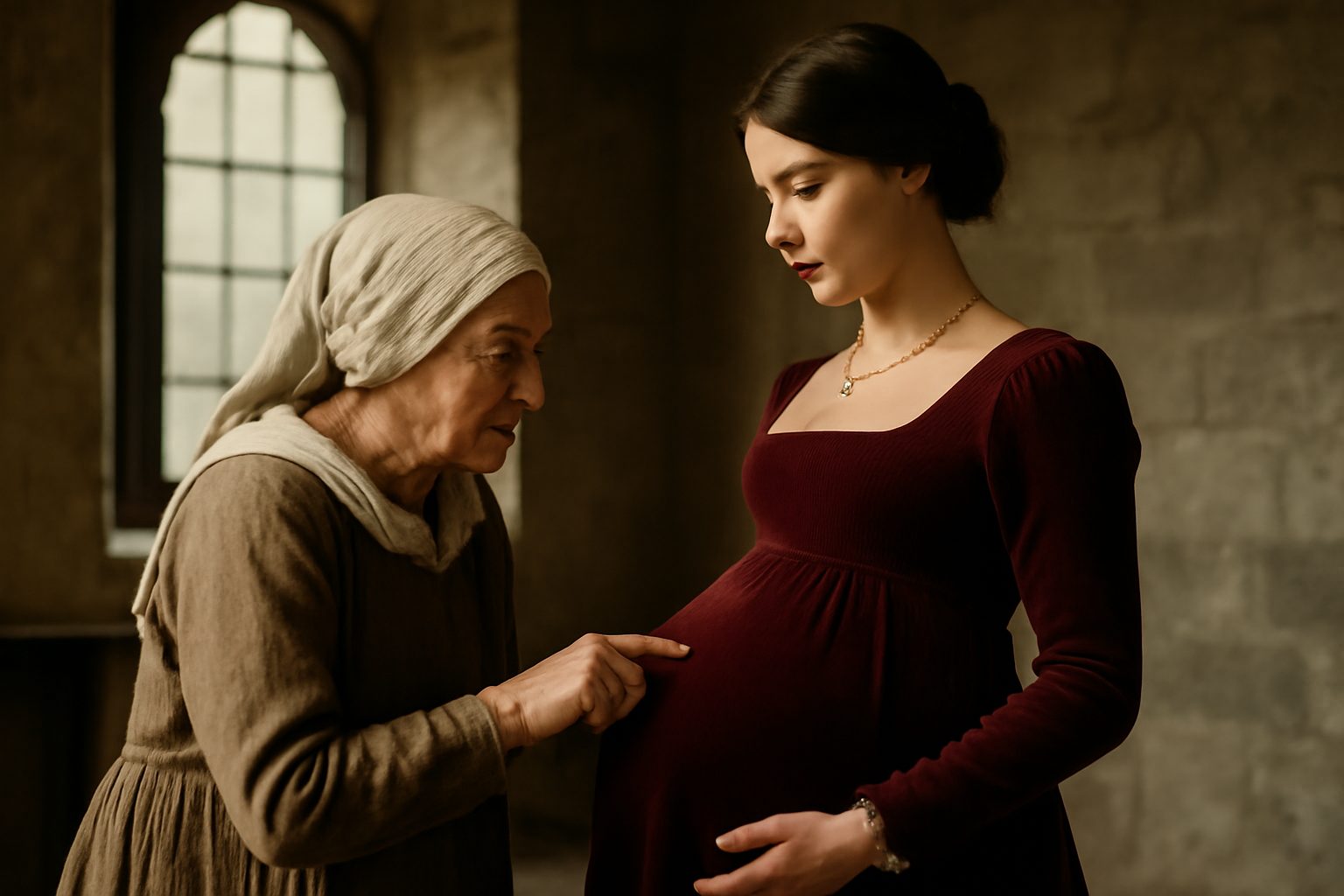
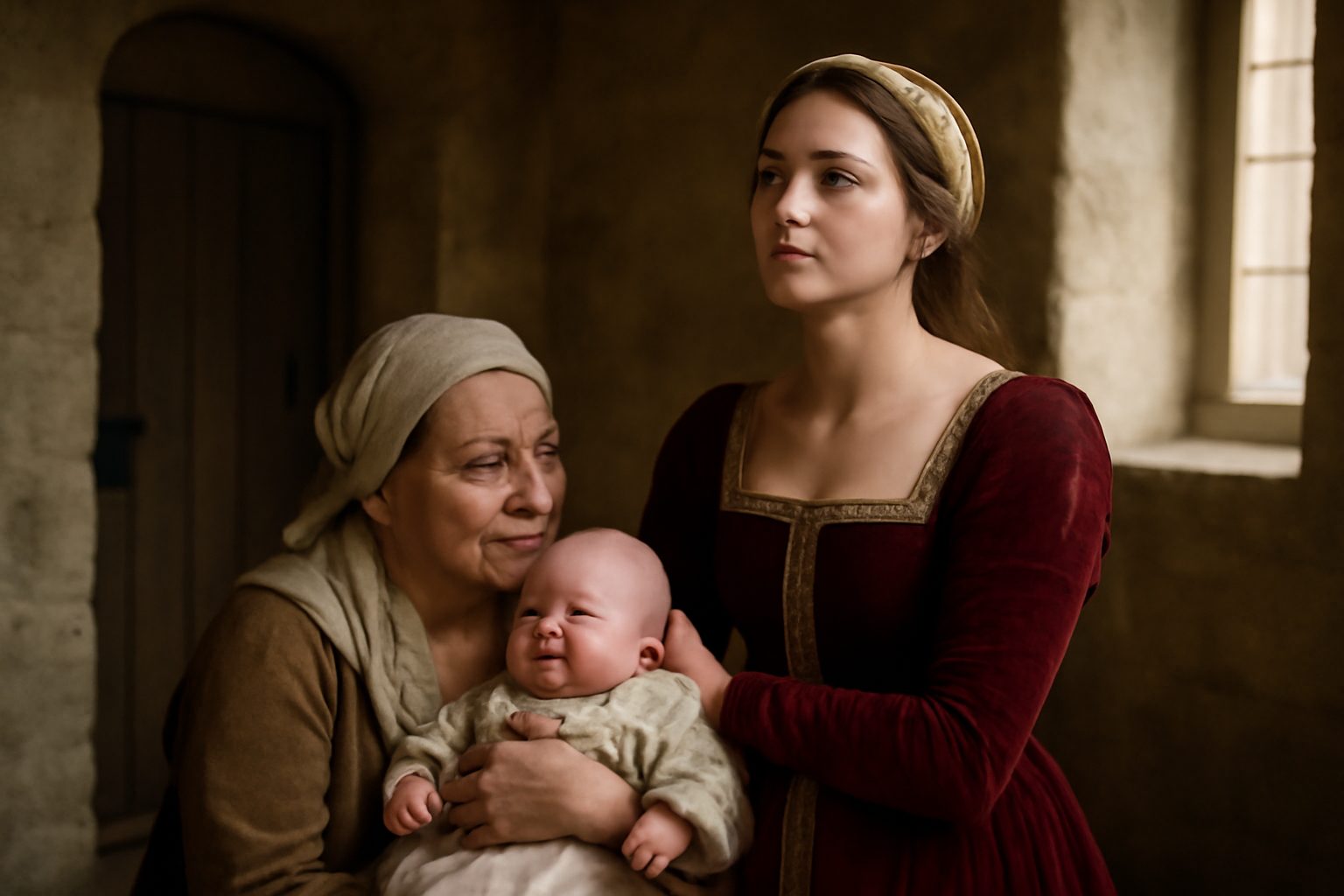
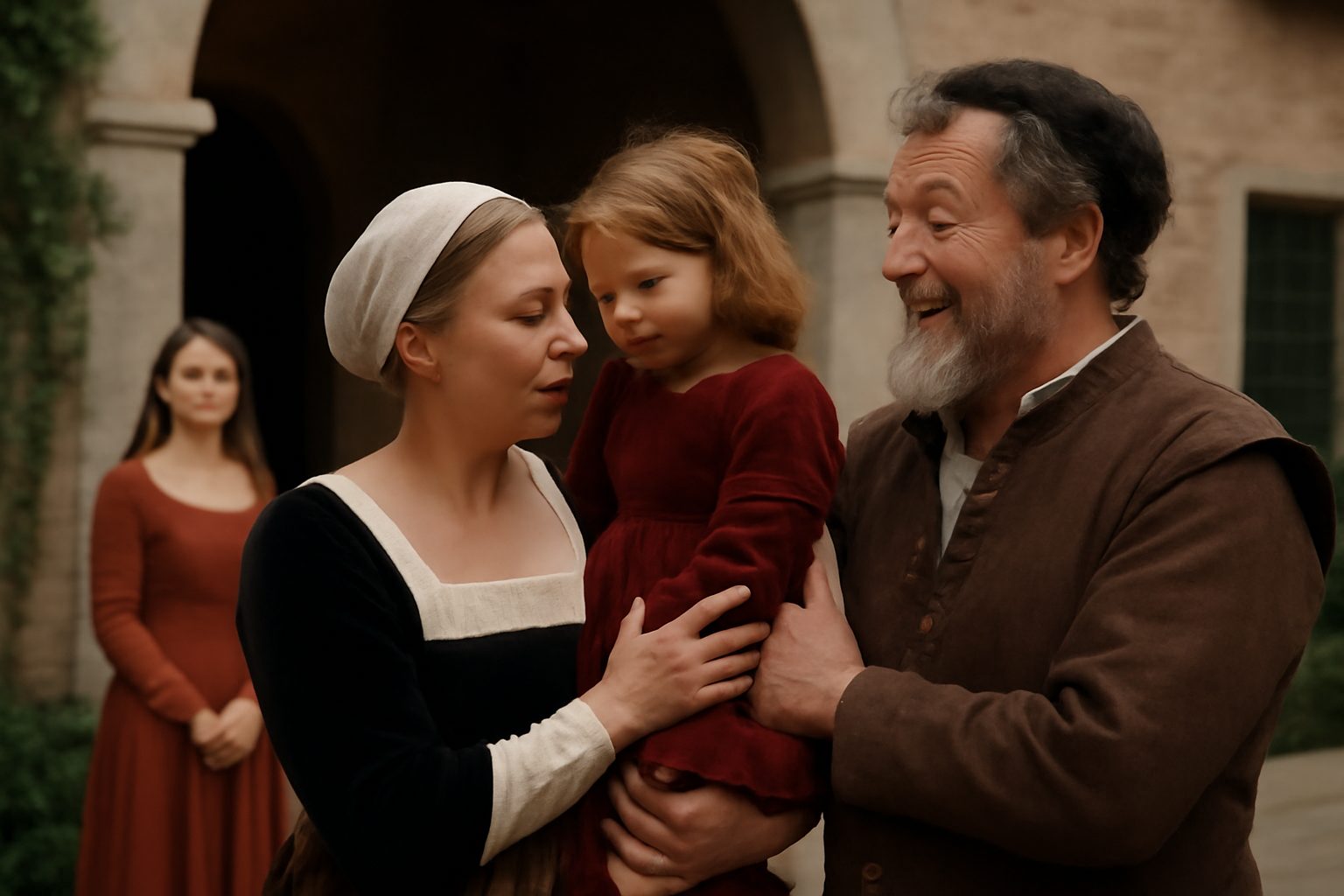
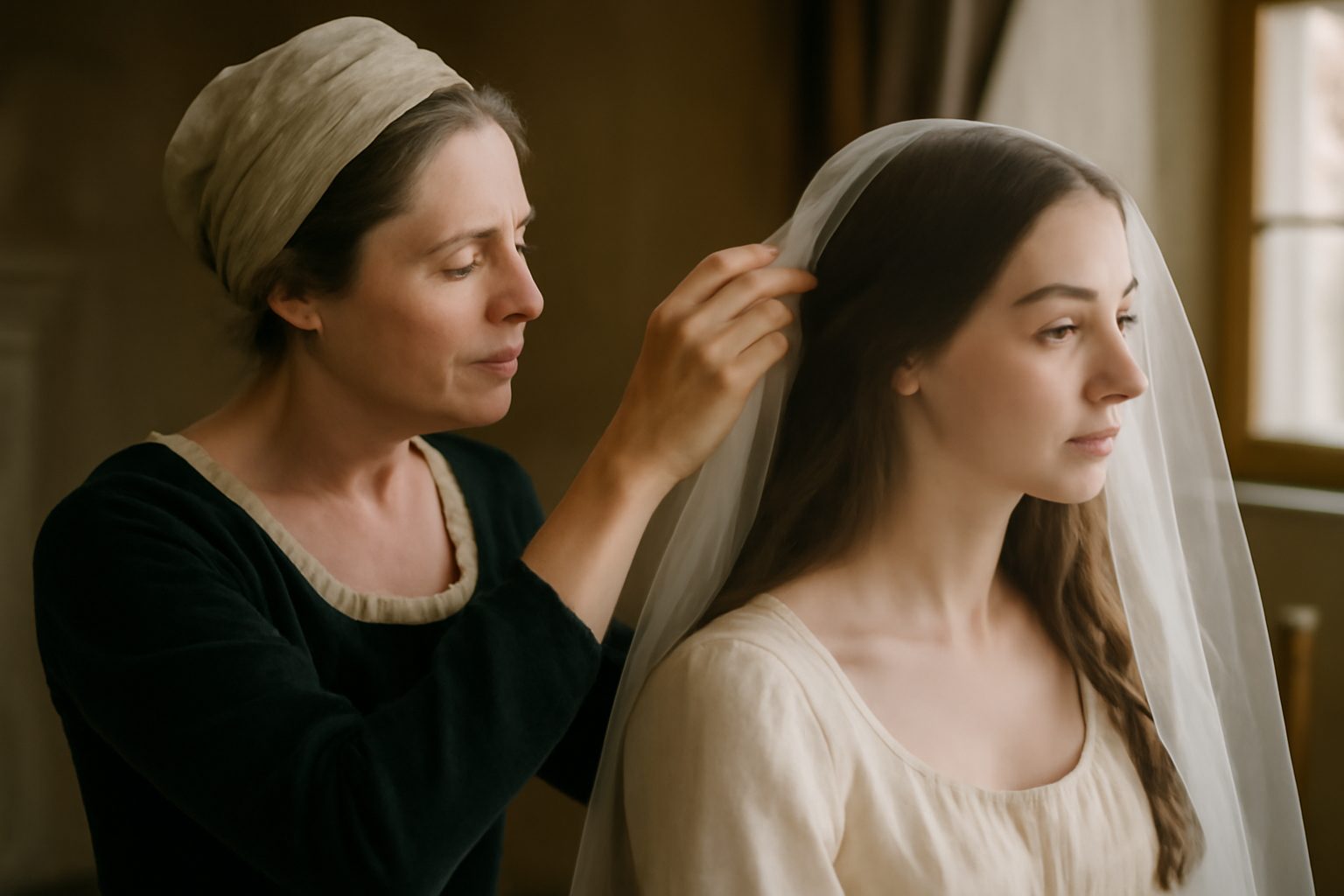
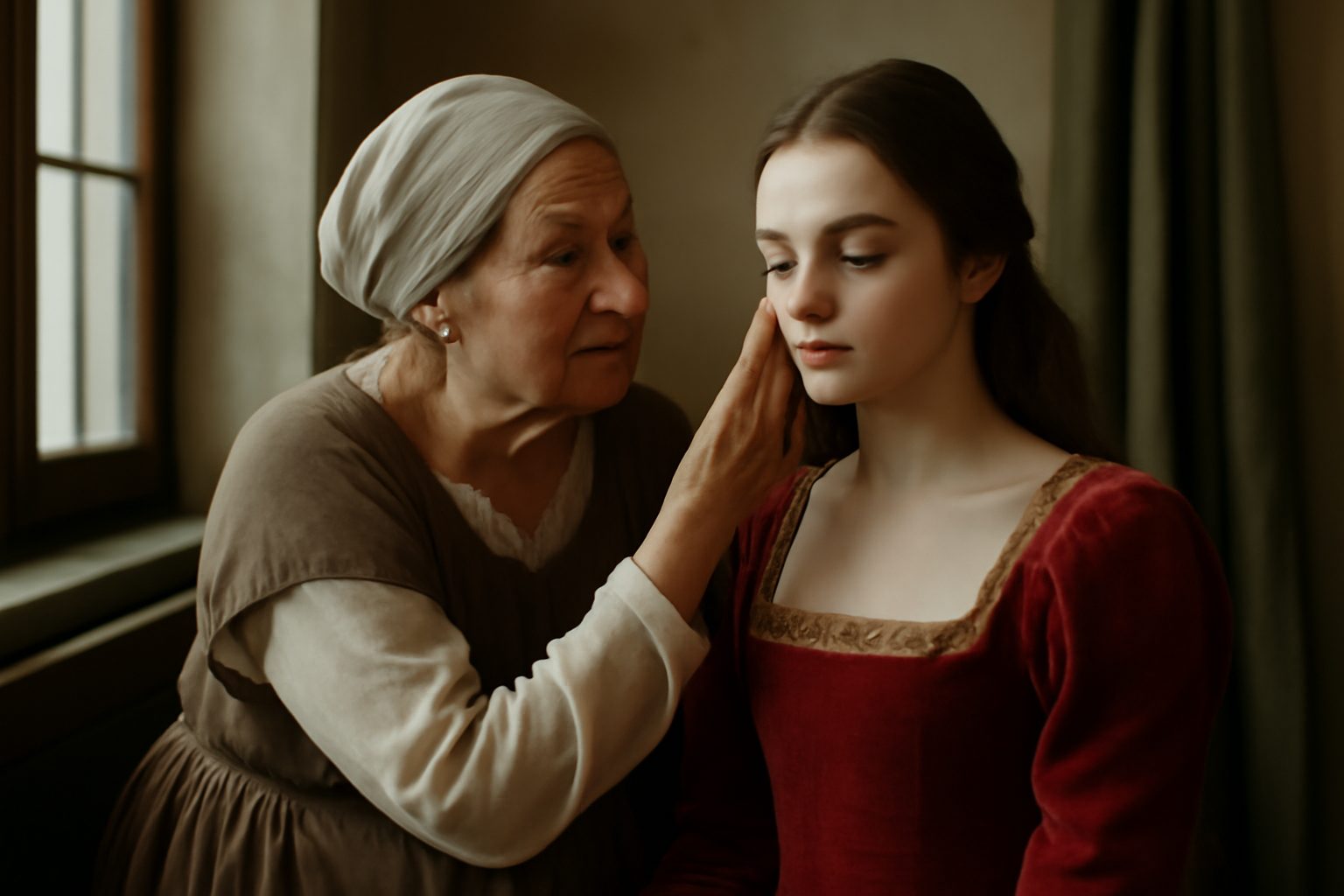
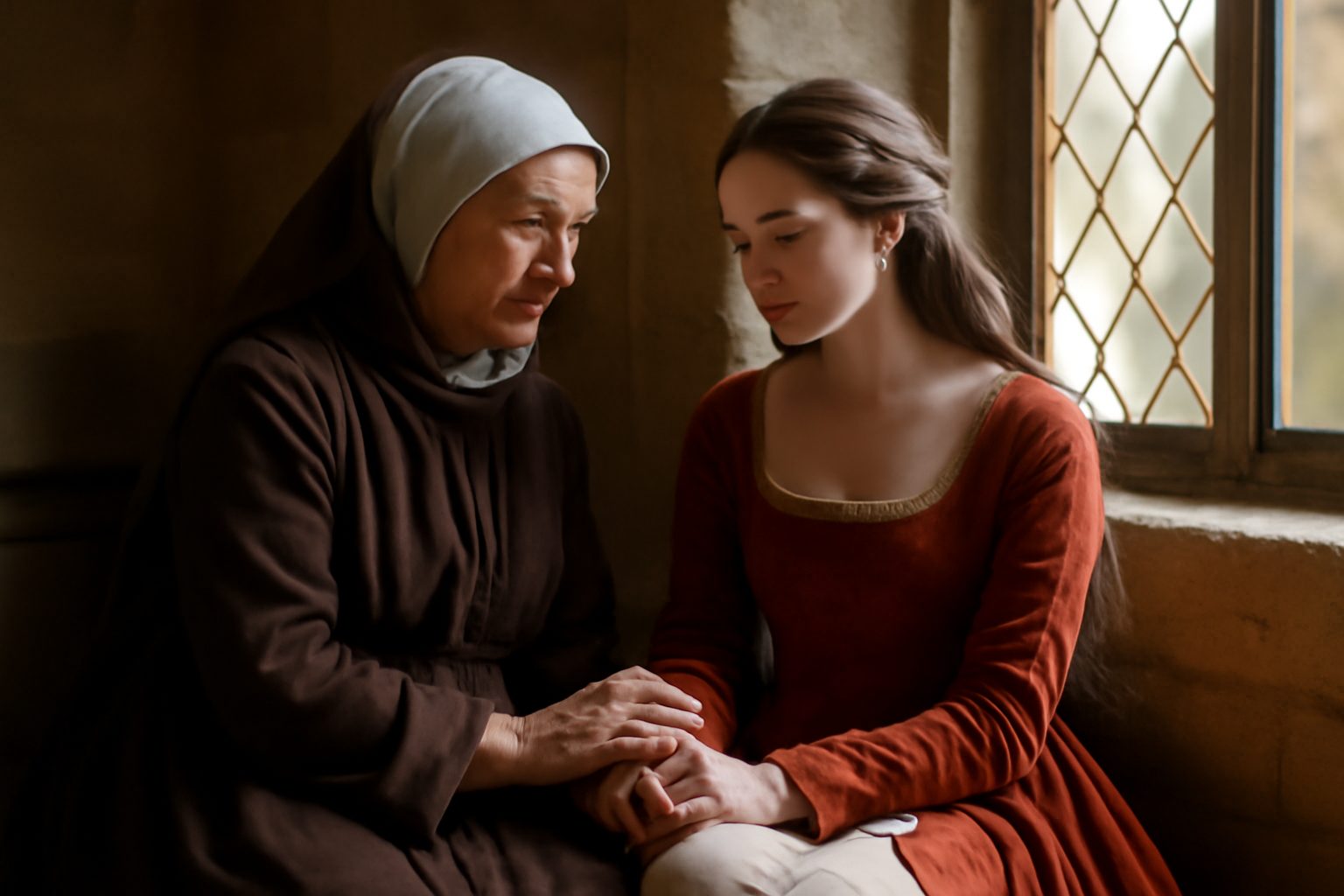
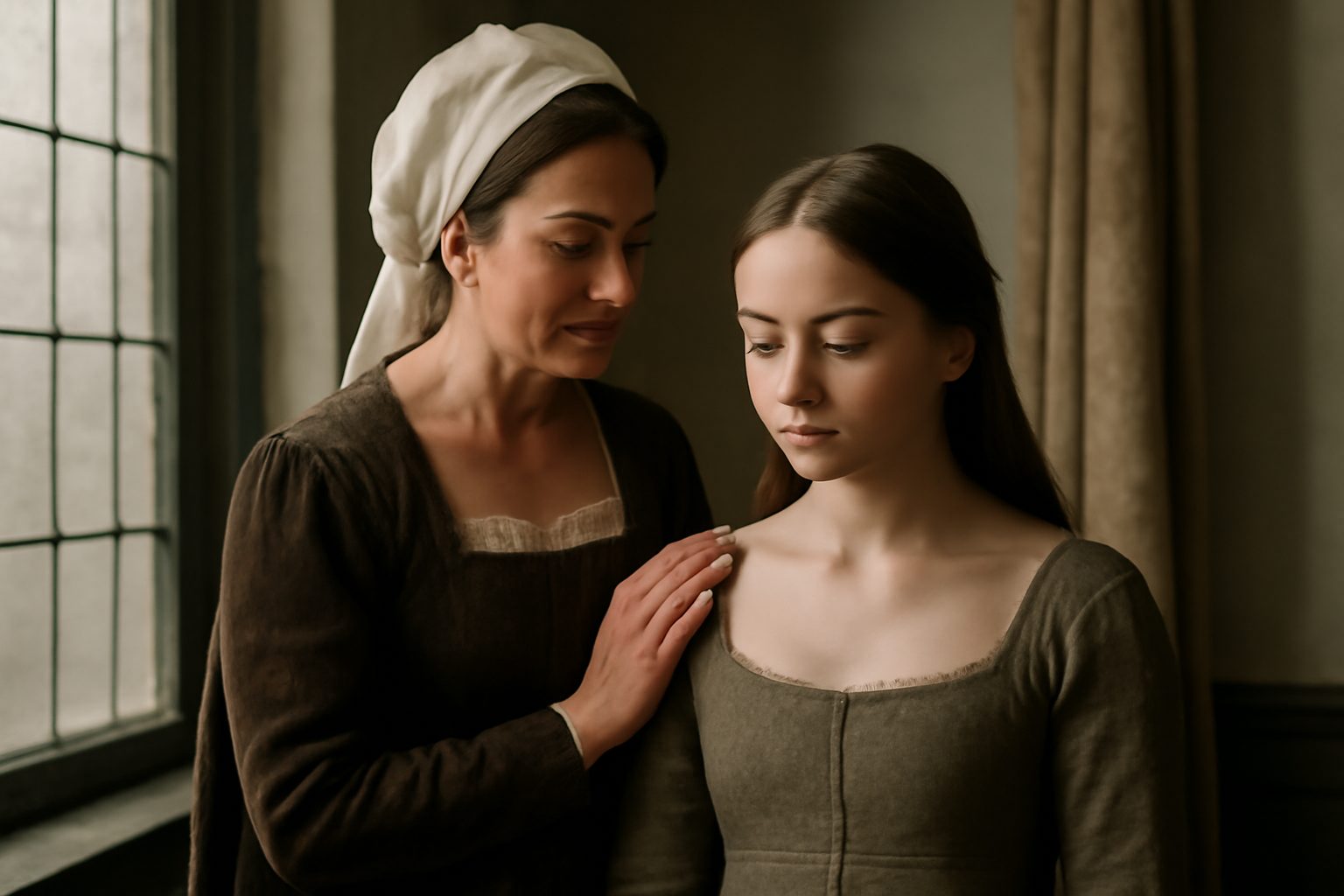
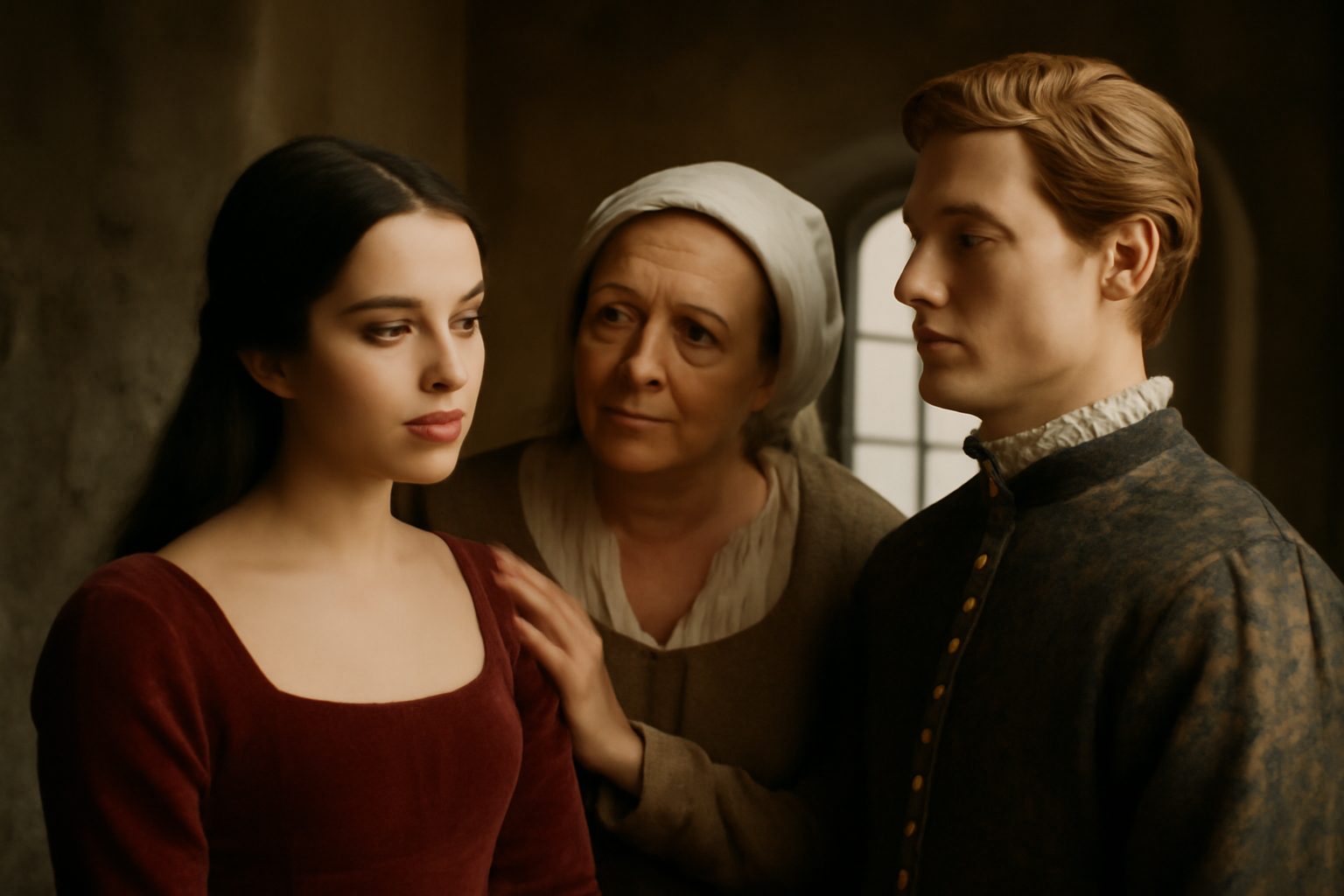
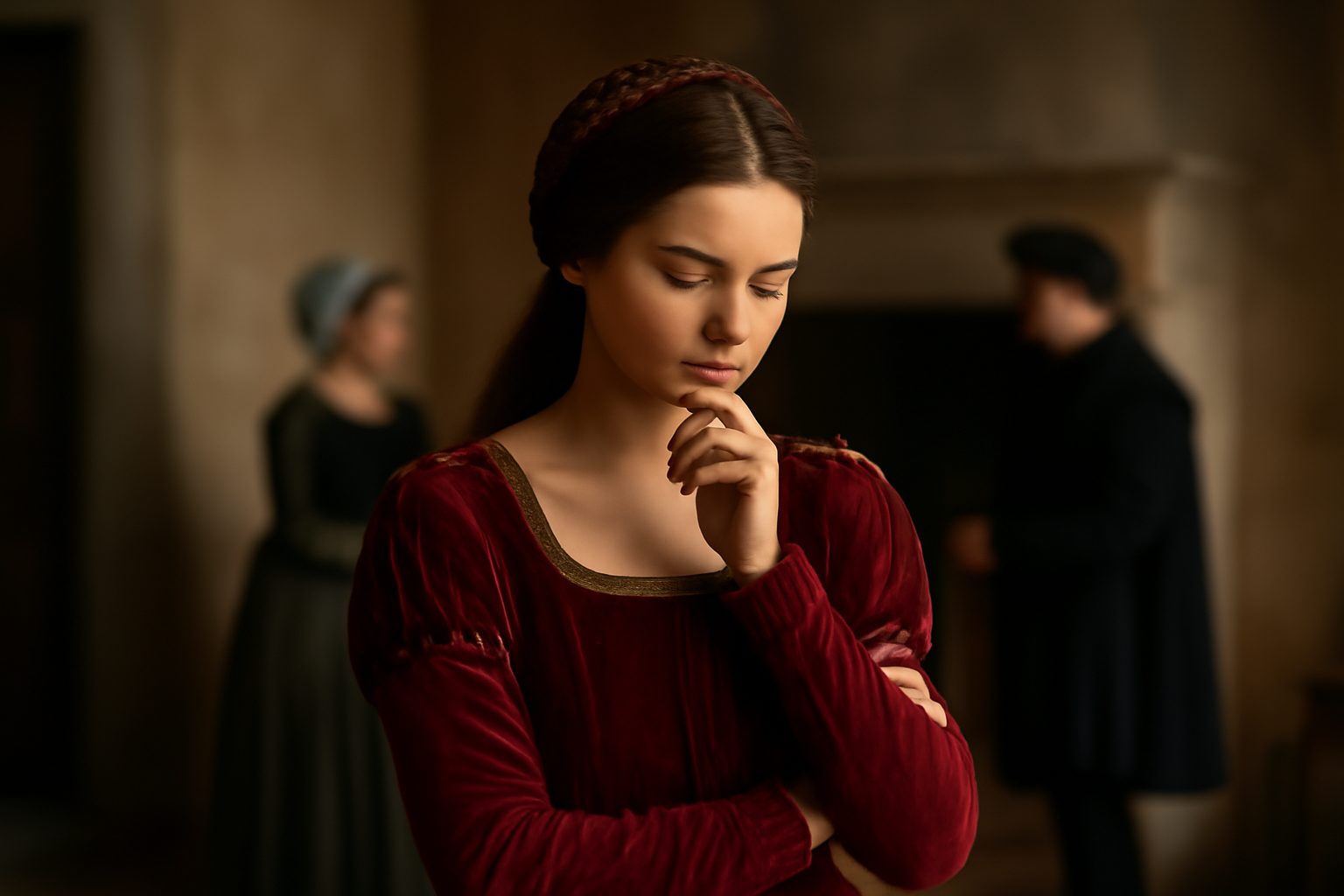
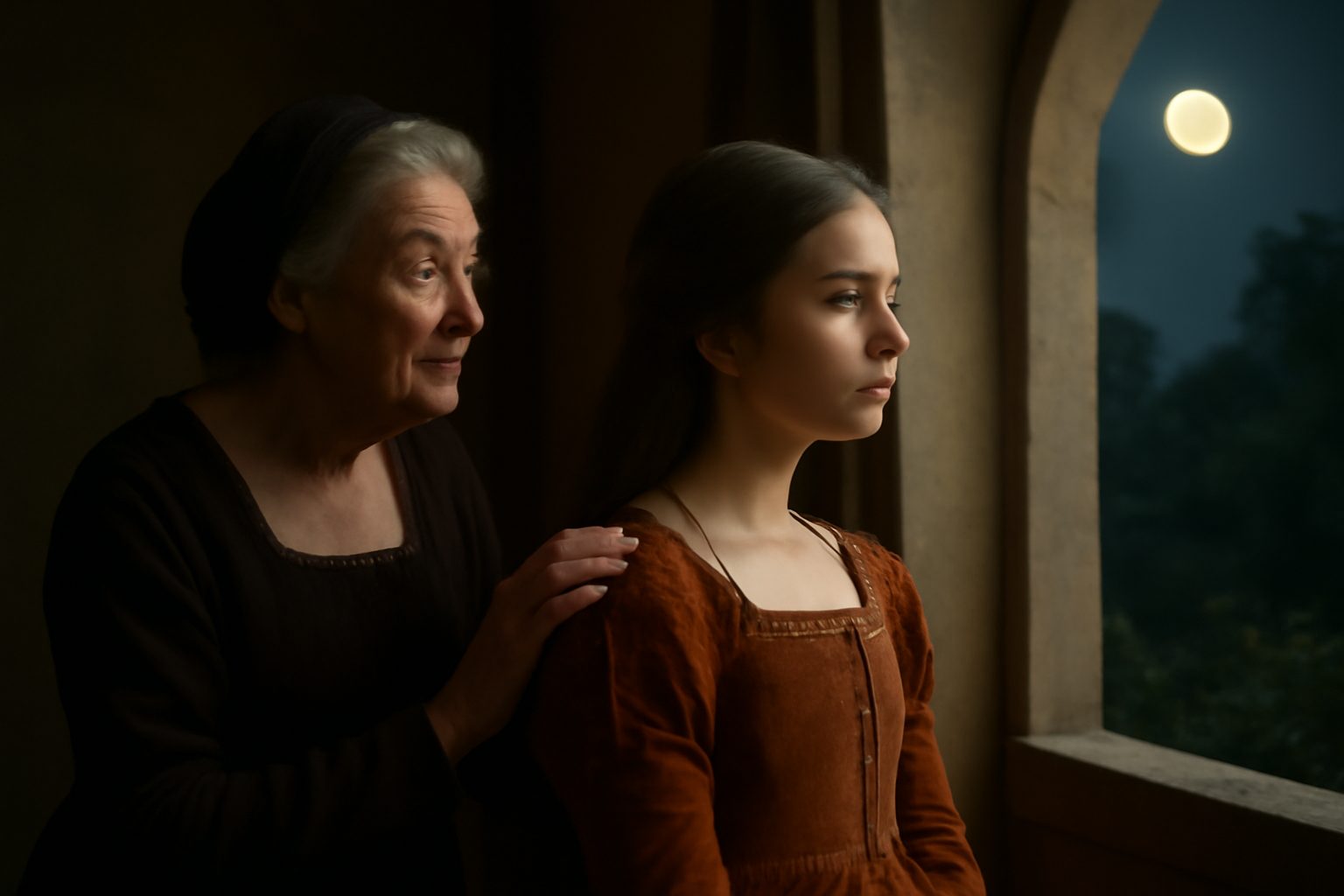
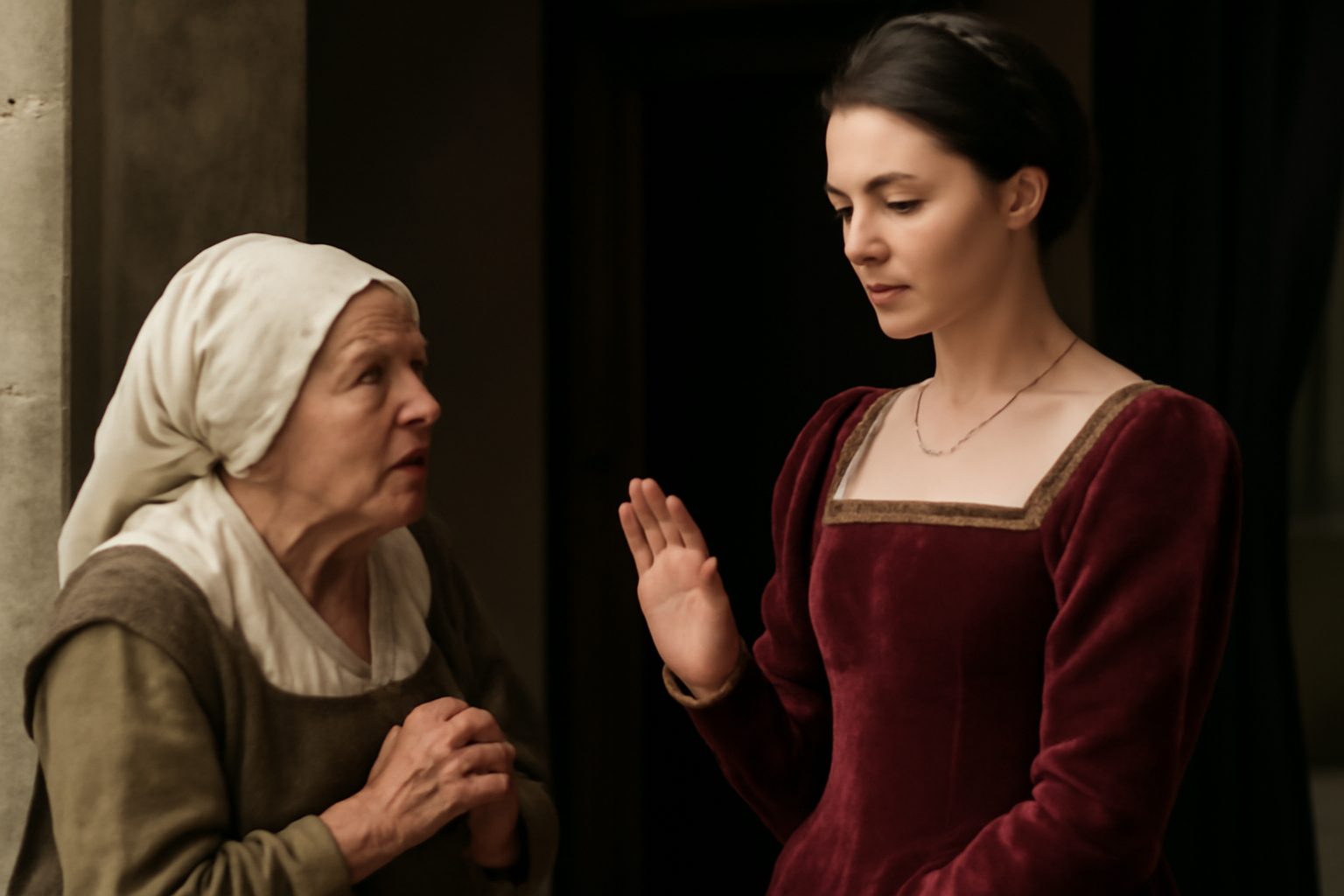
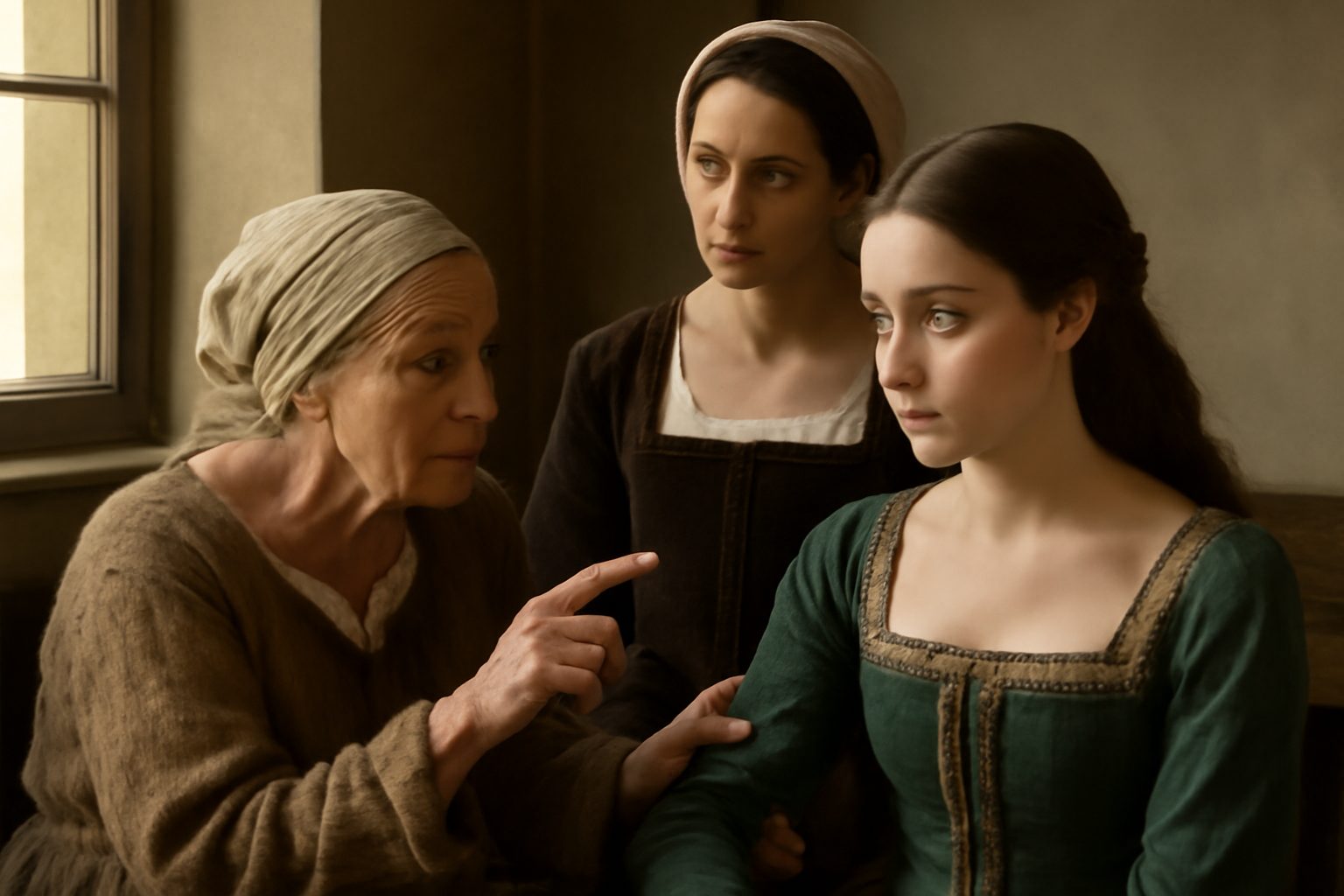
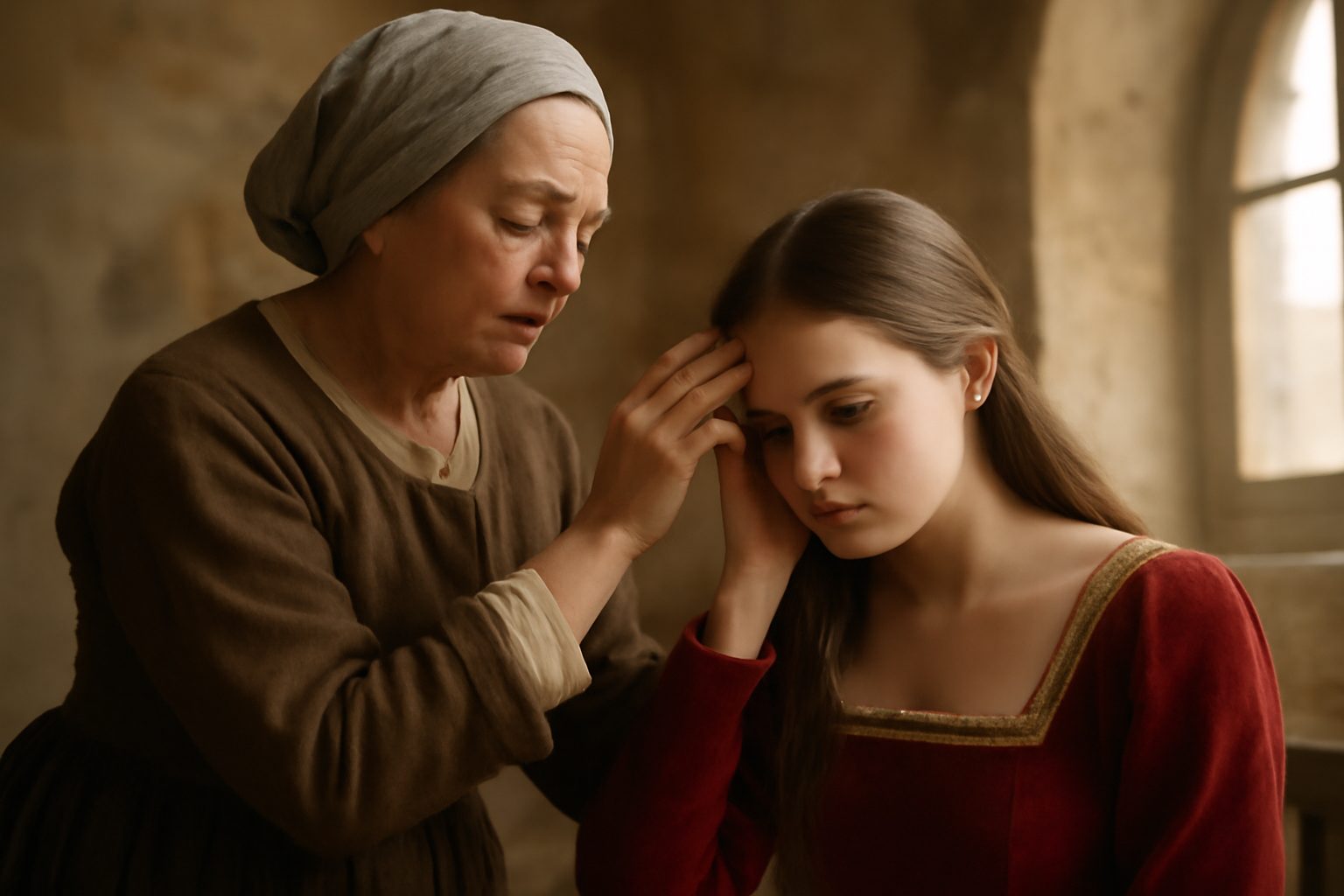
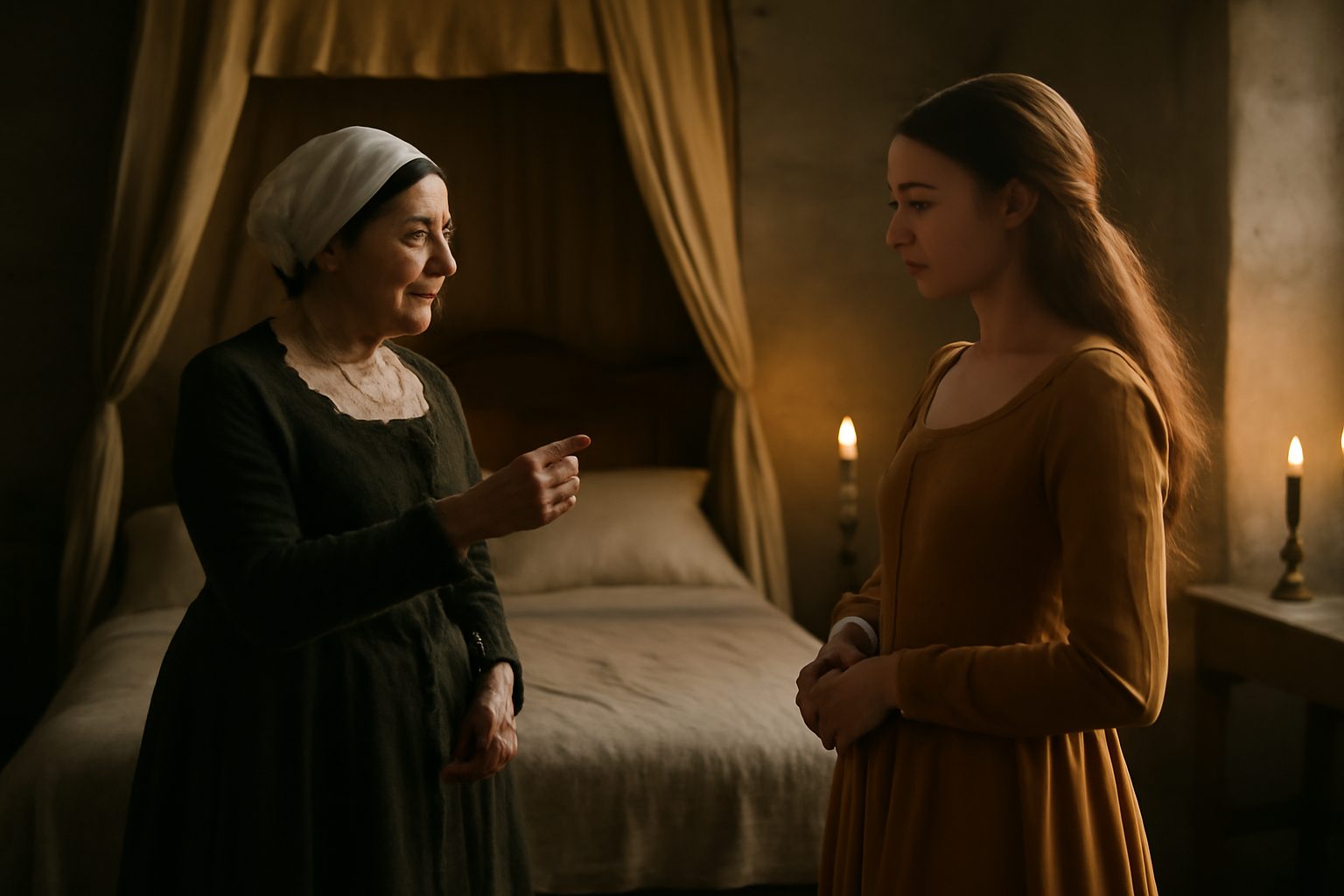
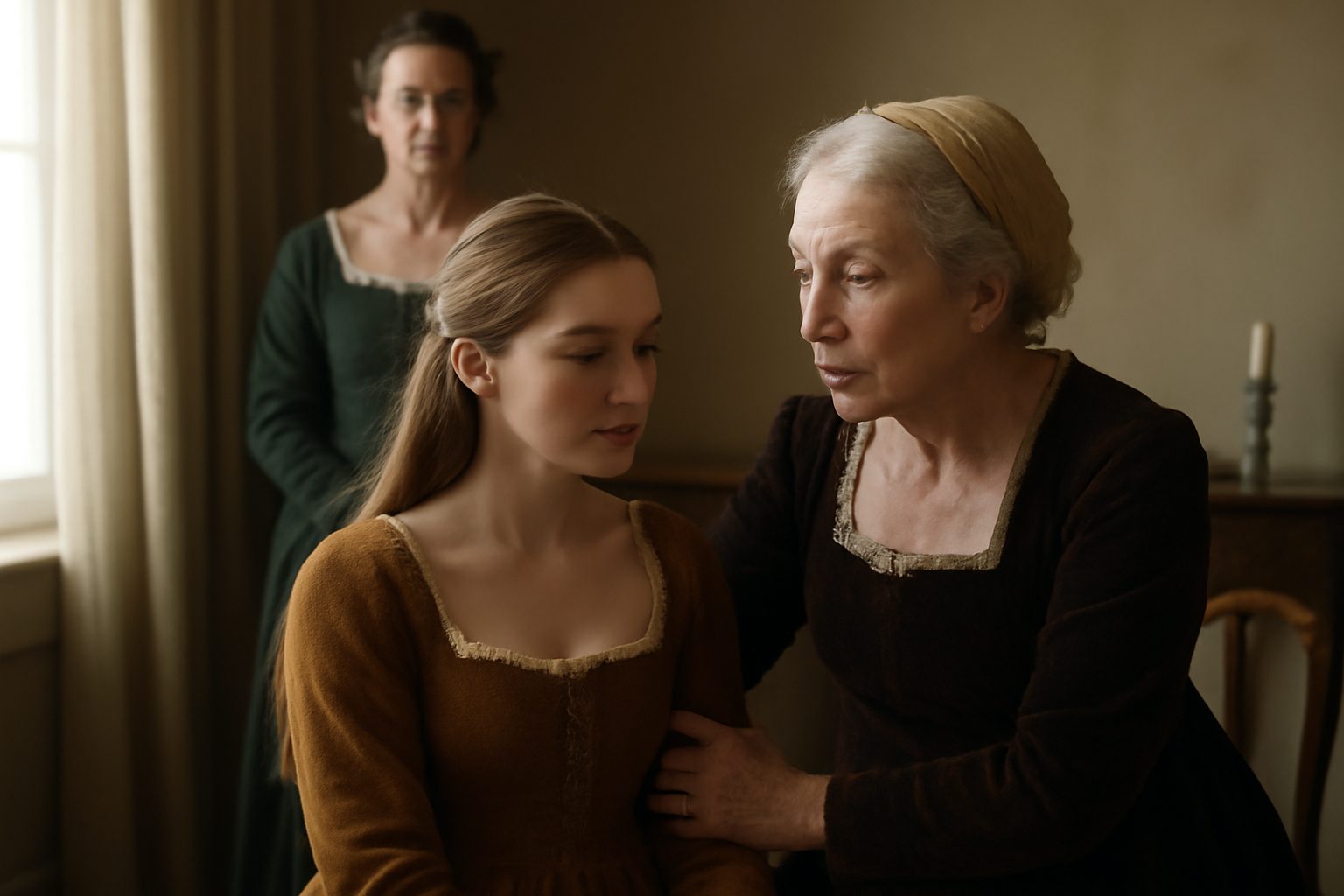
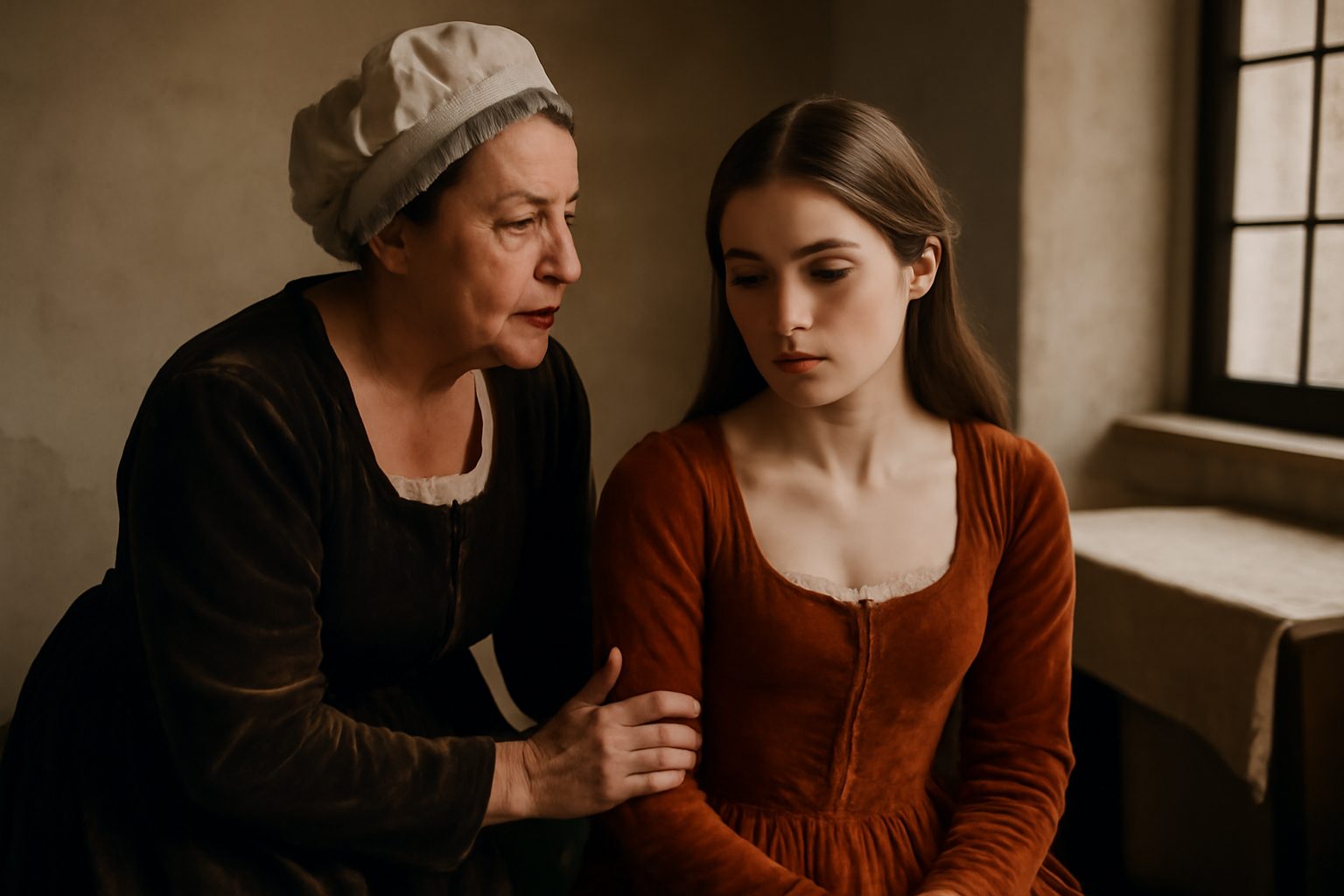
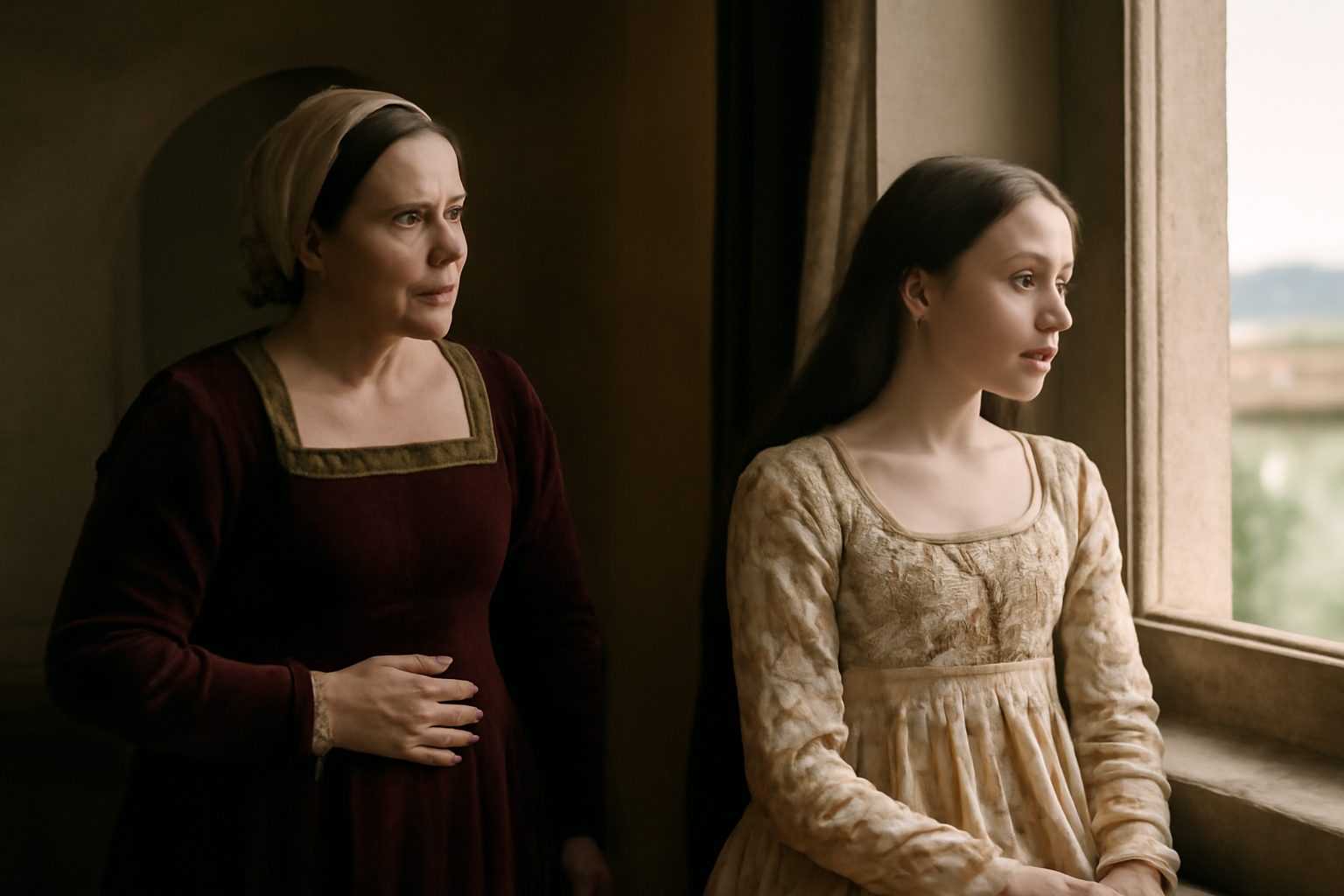
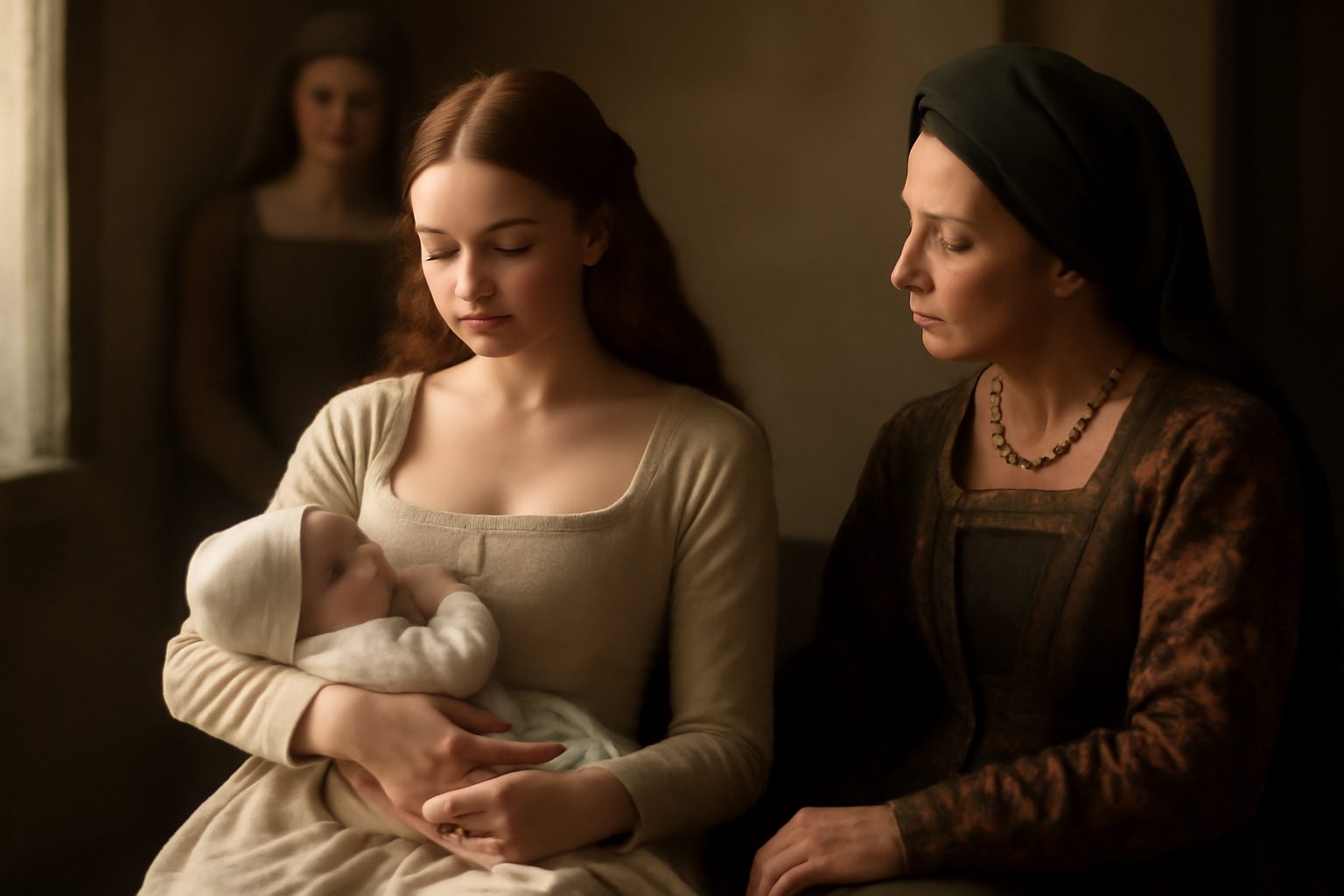
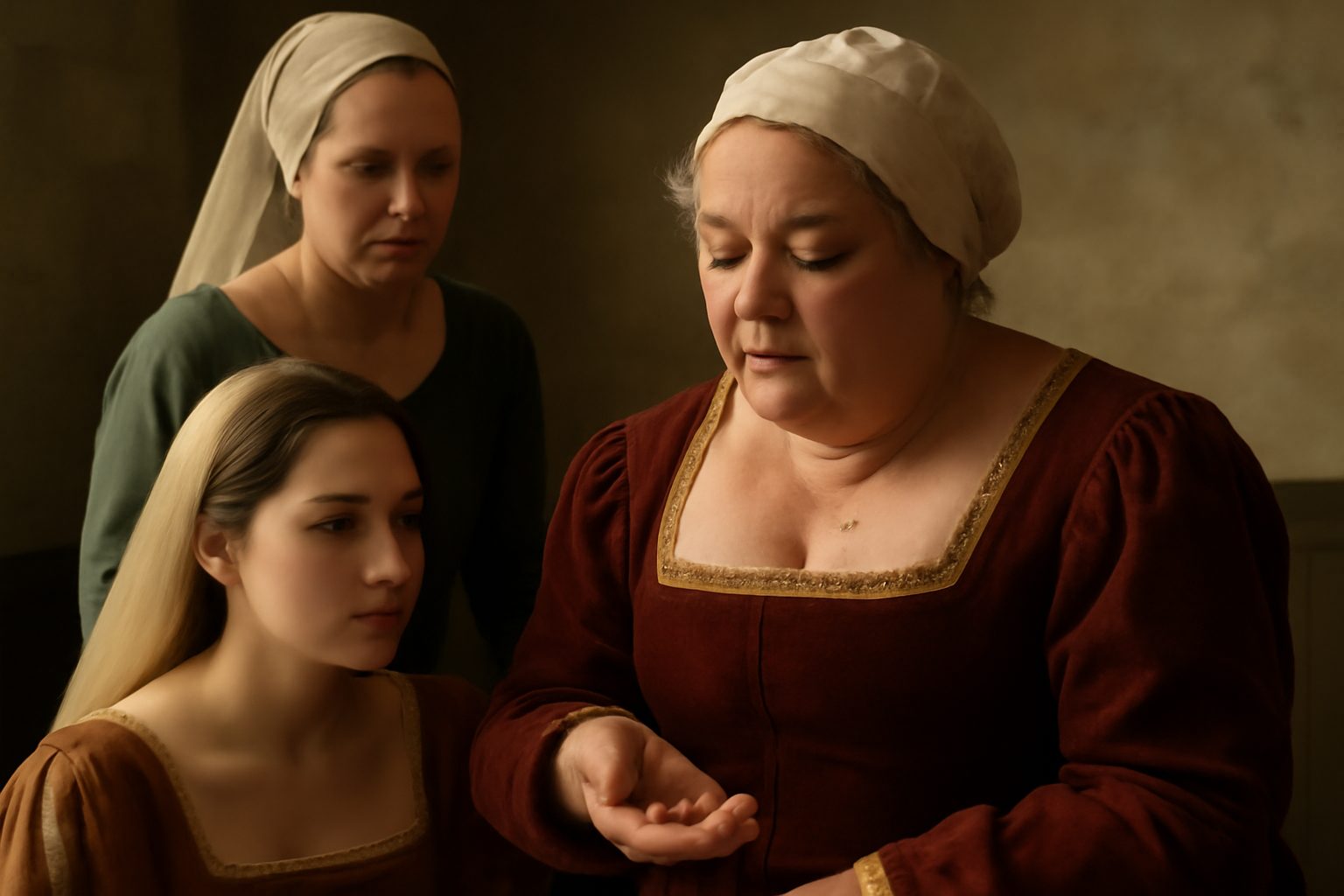
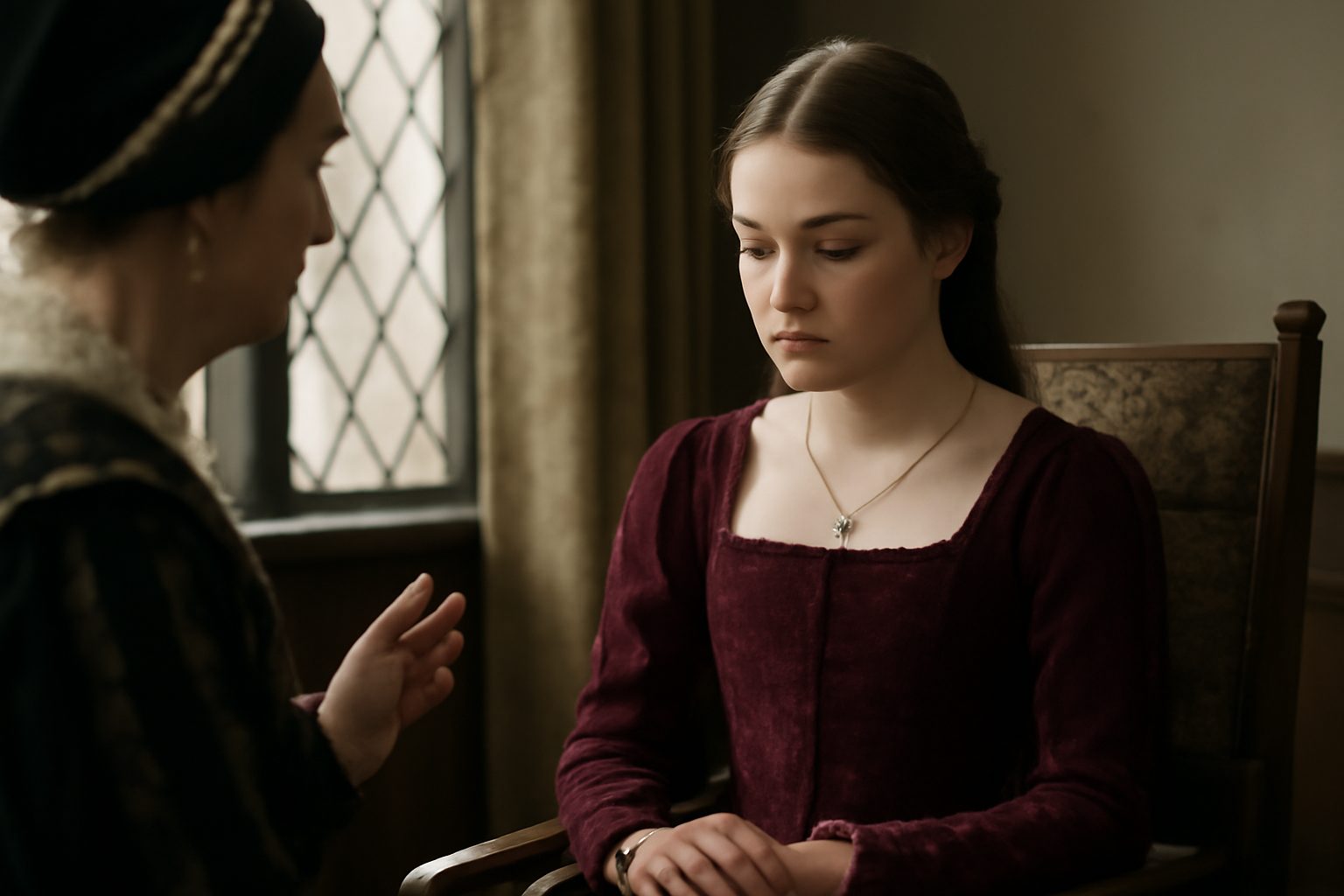
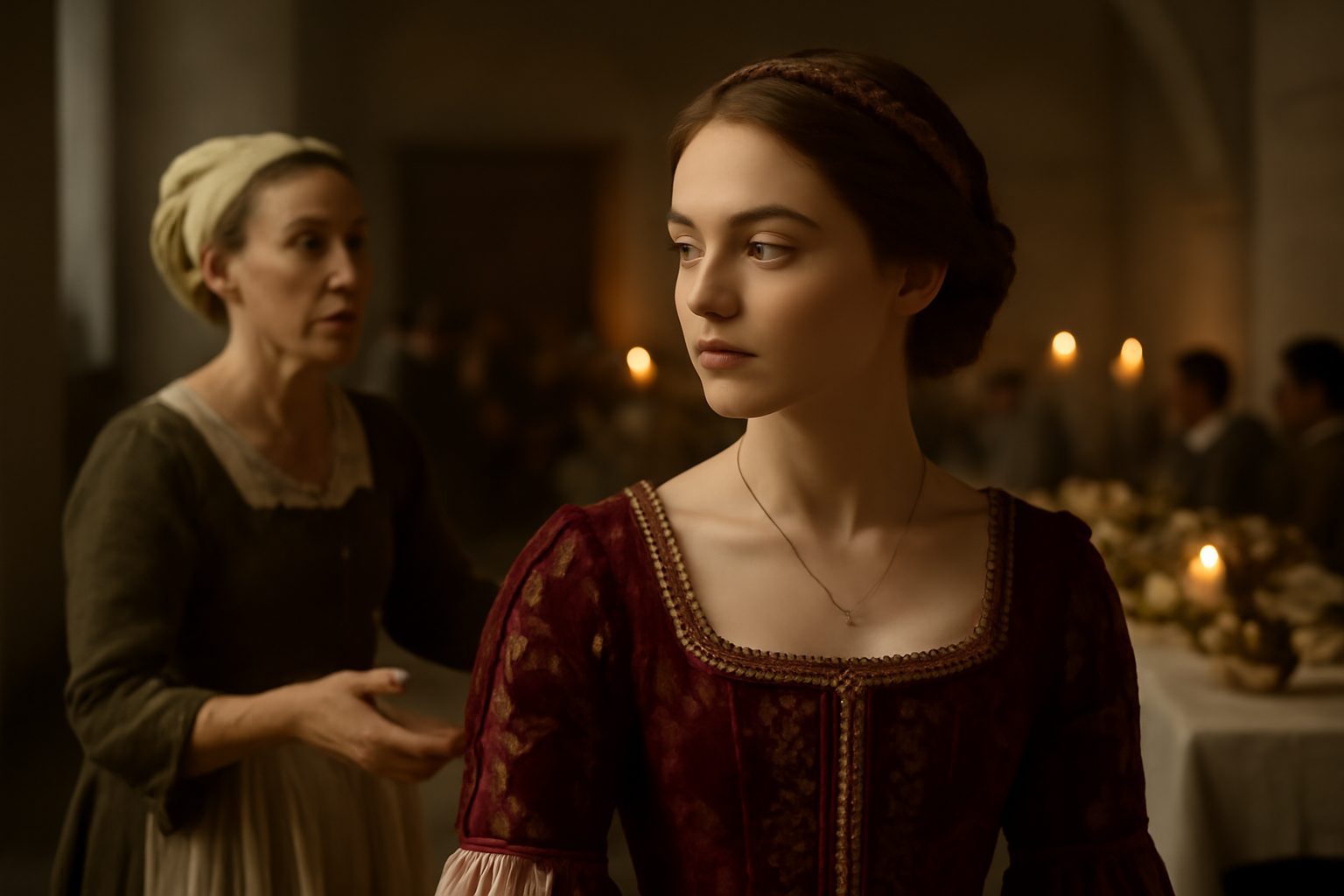
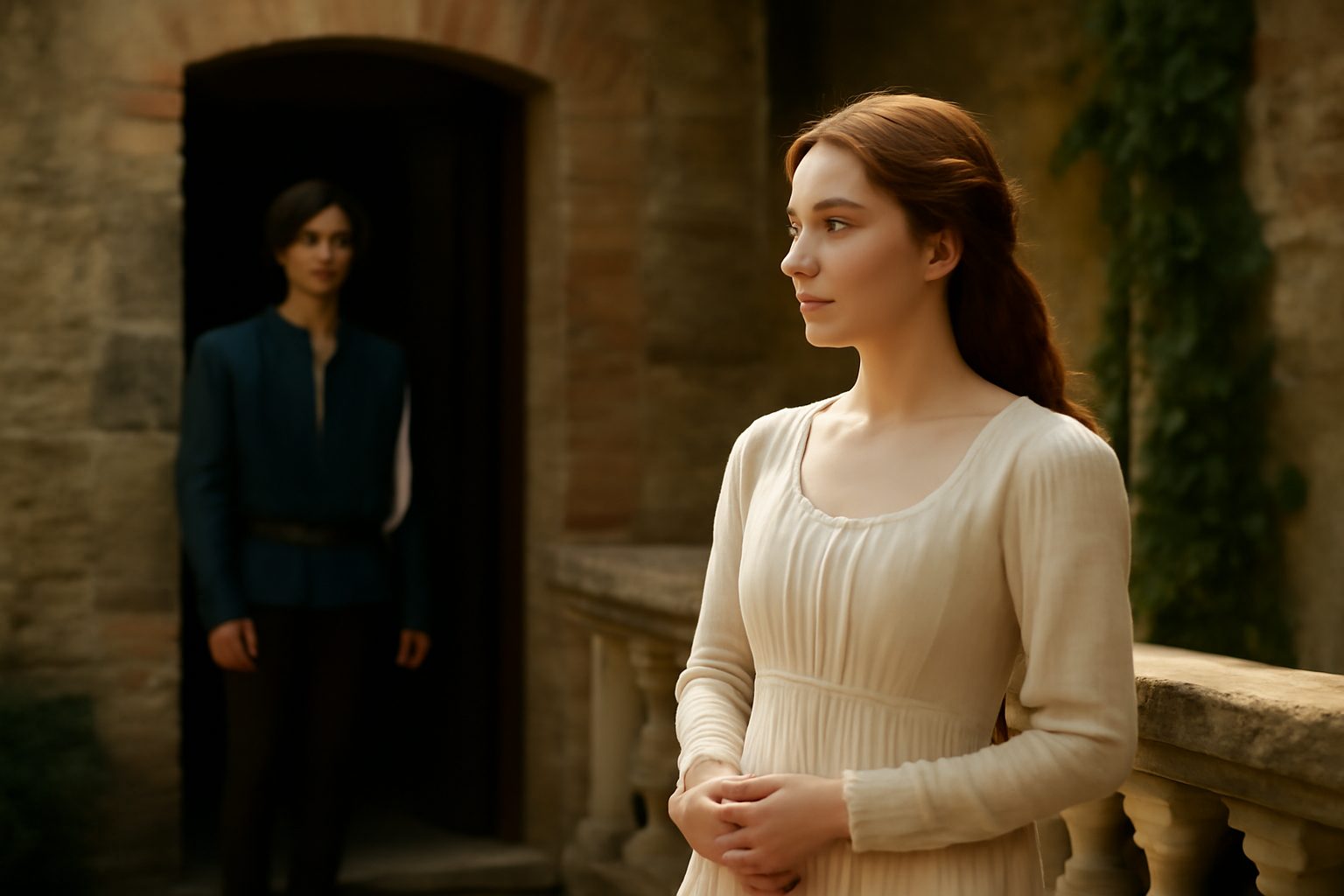
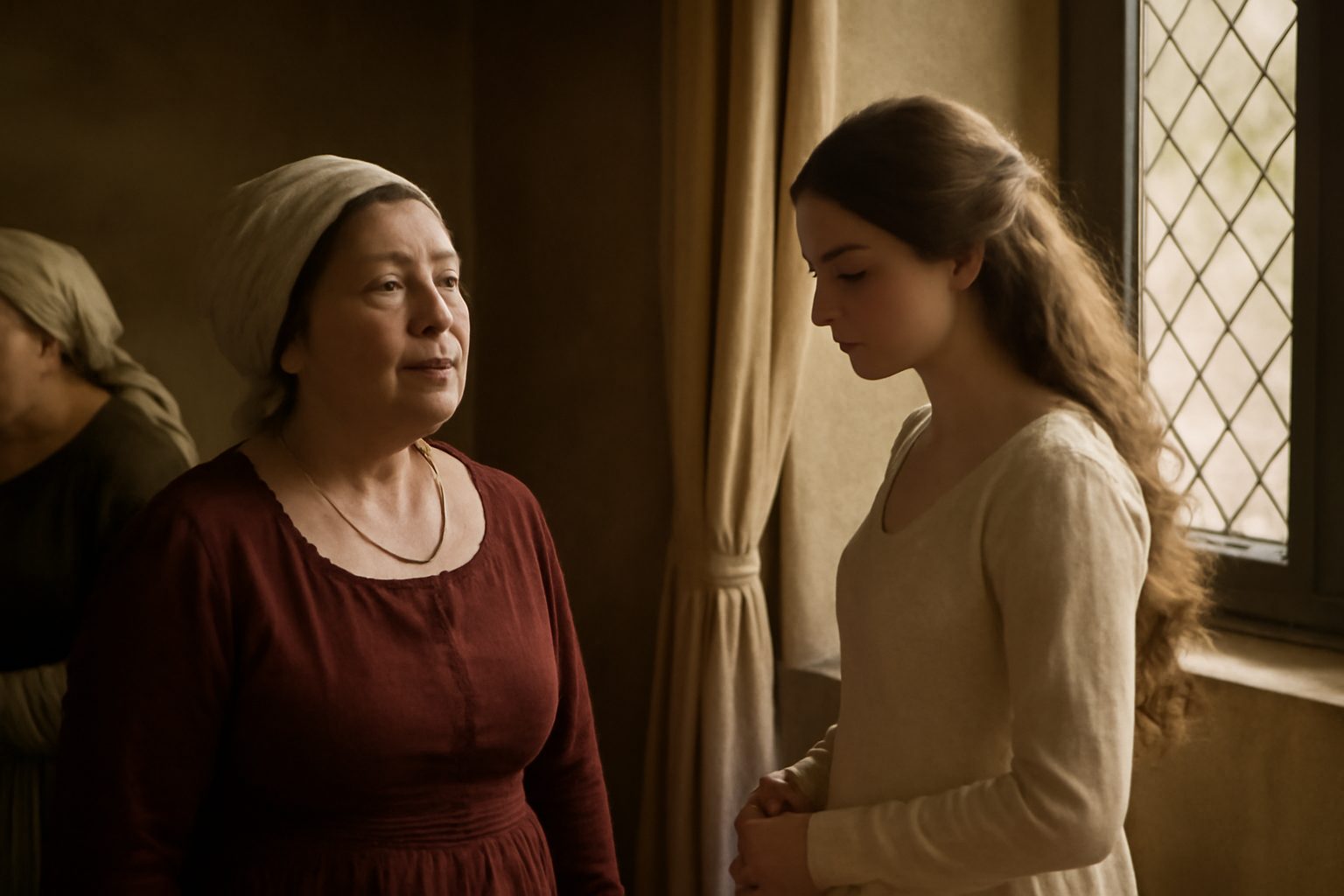
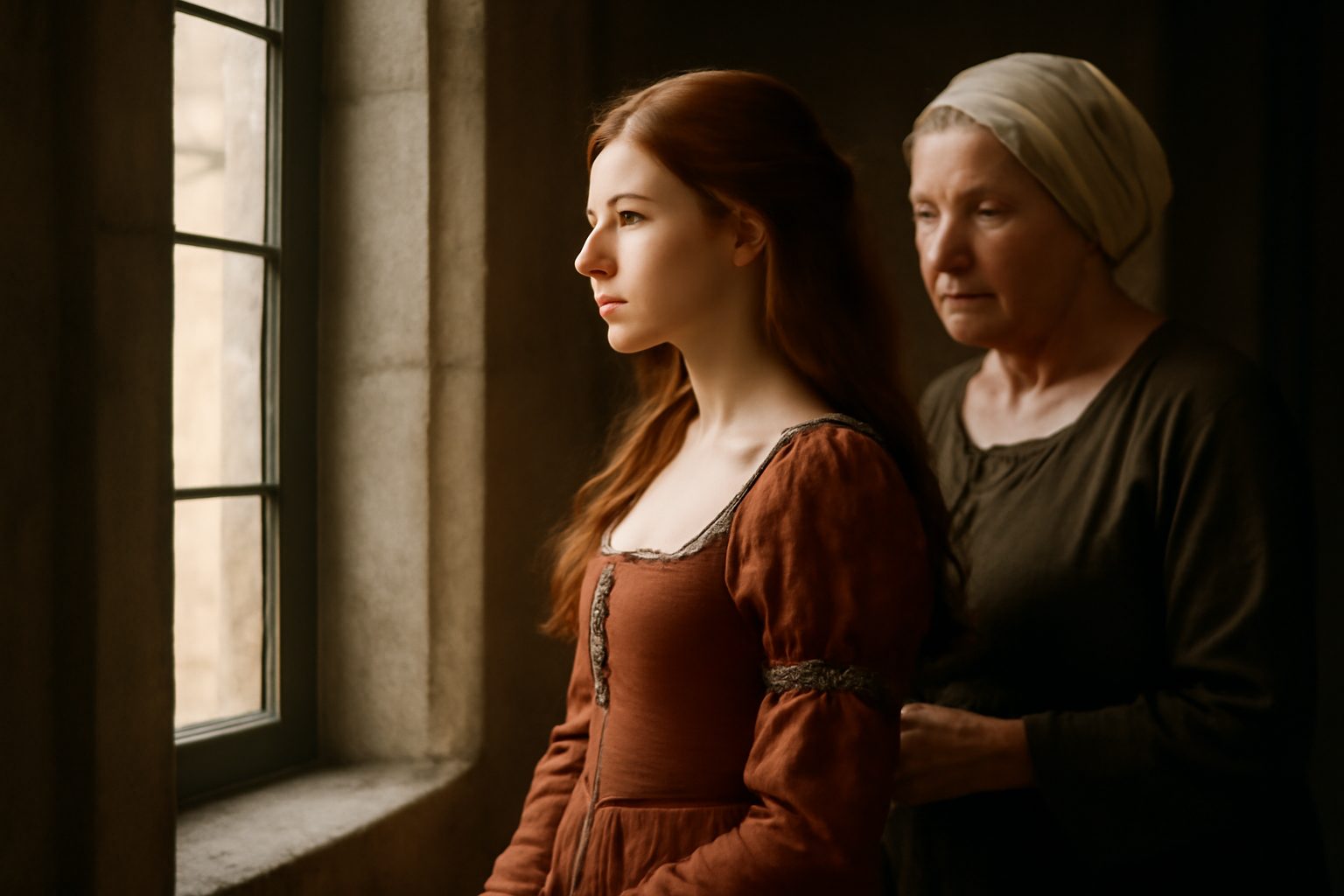
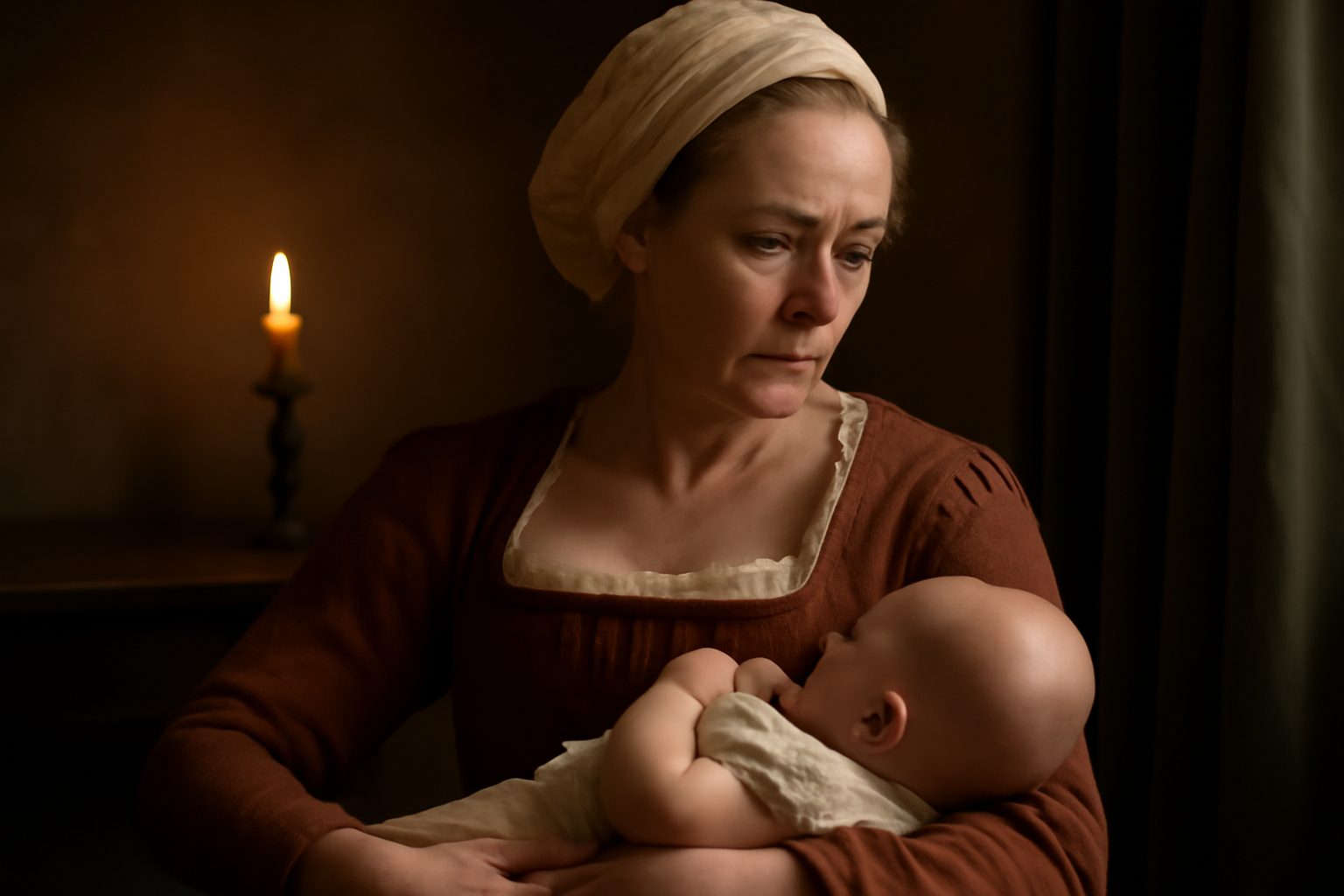
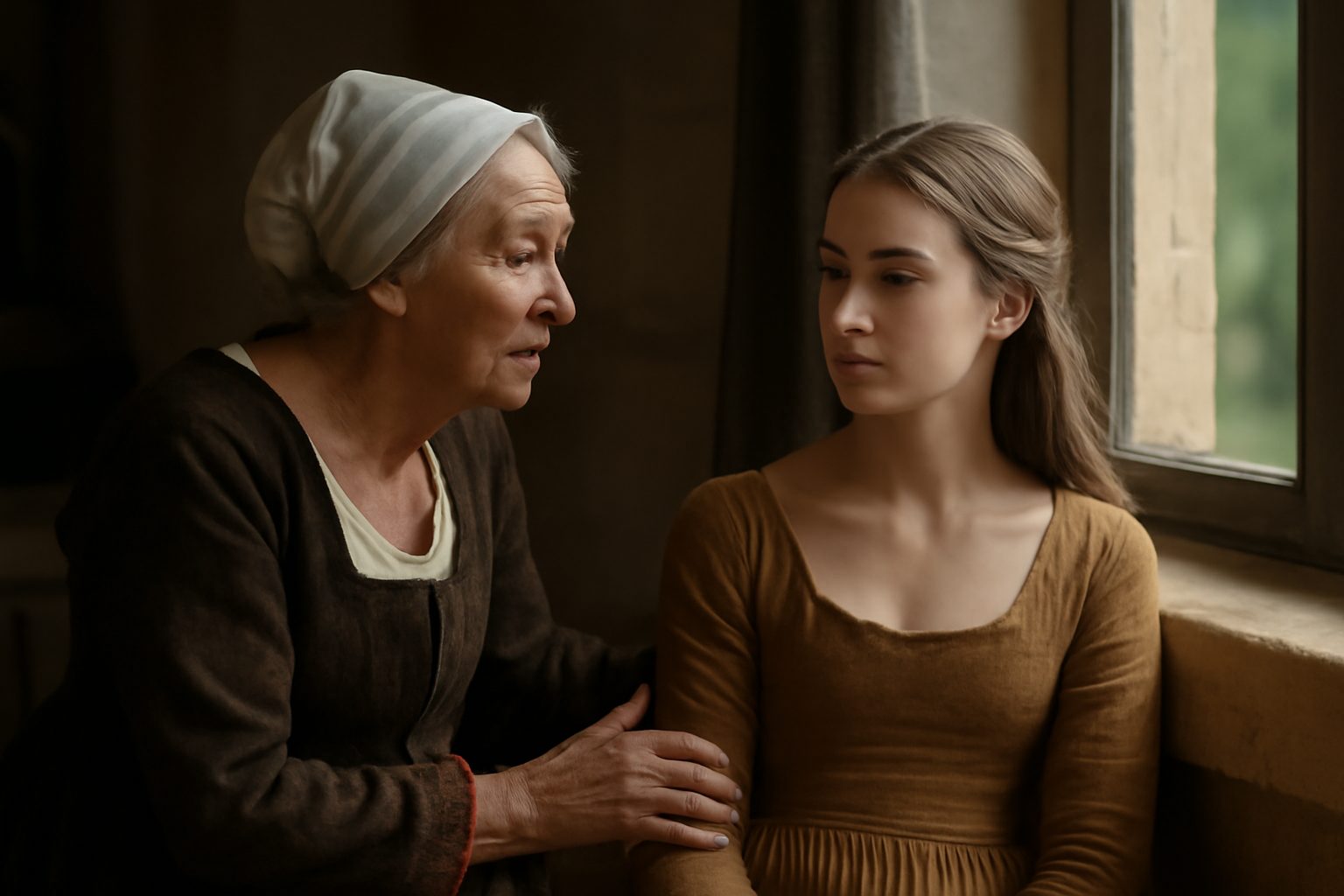
In Act 1, Scene 3 of Romeo and Juliet, Lady Capulet speaks to her daughter Juliet about the prospect of marriage to Paris. She uses metaphorical language to describe Paris as an unbound lover, comparing him to a beautiful book that Juliet should eagerly read. This moment highlights the societal expectations placed on Juliet and the disconnect between her mother's ambitions and her own desires.
Lady Capulet: "This precious book of love, this unbound lover,"
In modern day english, we would say:
This heartfelt story of love, this passionate lover who doesn’t hold back.
Frequently Asked Questions
What does Lady Capulet compare Paris to in this line?
She compares Paris to a precious book of love.
Why does Lady Capulet call Paris an unbound lover?
She calls him an unbound lover because he is not yet married or committed to Juliet.
Connections to other verses:
Connections to "This precious book of love, this unbound lover"
Metaphorical Language of Books and Reading
The verse "This precious book of love, this unbound lover" uses the metaphor of a book to describe Paris, suggesting he is a valuable but incomplete work. This connects directly to "Read o'er the volume of young Paris' face", where Lady Capulet encourages Juliet to "read" Paris's features as if they were a book. The imagery continues with "And what obscured in this fair volume lies", implying hidden qualities within Paris, and "Find written in the margent of his eyes", suggesting his eyes contain explanatory notes like a book's margin. The idea of completion is emphasized in "To beautify him, only lacks a cover", indicating marriage would "bind" this unbound book.
Themes of Love and Marriage
The description of Paris as an "unbound lover" ties to the scene's overarching theme of marriage prospects. Lady Capulet's question, "What say you? can you love the gentleman?", directly follows this metaphor, pressing Juliet to consider Paris as a suitor. Earlier, she states "The valiant Paris seeks you for his love", introducing him as a candidate. Juliet's cautious response in "I'll look to like, if looking liking move" shows her willingness to consider him, albeit reservedly, aligning with the "unbound" idea—potential not yet realized.
Beauty and Worth
The word "precious" underscores Paris's valued status, echoed in other descriptions of him. He is called "a man of wax", meaning ideal like a sculpture, and "a flower; in faith, a very flower", emphasizing his beauty and rarity. The Nurse adds "Verona's summer hath not such a flower", reinforcing his uniqueness. These accolades complement the "precious book" metaphor, collectively painting Paris as an exquisite, desirable match.
Structural and Tonal Links
This verse is part of a persuasive speech by Lady Capulet, who uses elaborate language to promote Paris. It follows her directive in "Examine every married lineament" and "And see how one another lends content", urging Juliet to appreciate harmonious qualities. The flowery praise contrasts with the Nurse's earthy anecdotes, such as her memory of Juliet's weaning in "And she was wean'd,--I never shall forget it,--", highlighting the difference in their rhetorical styles.