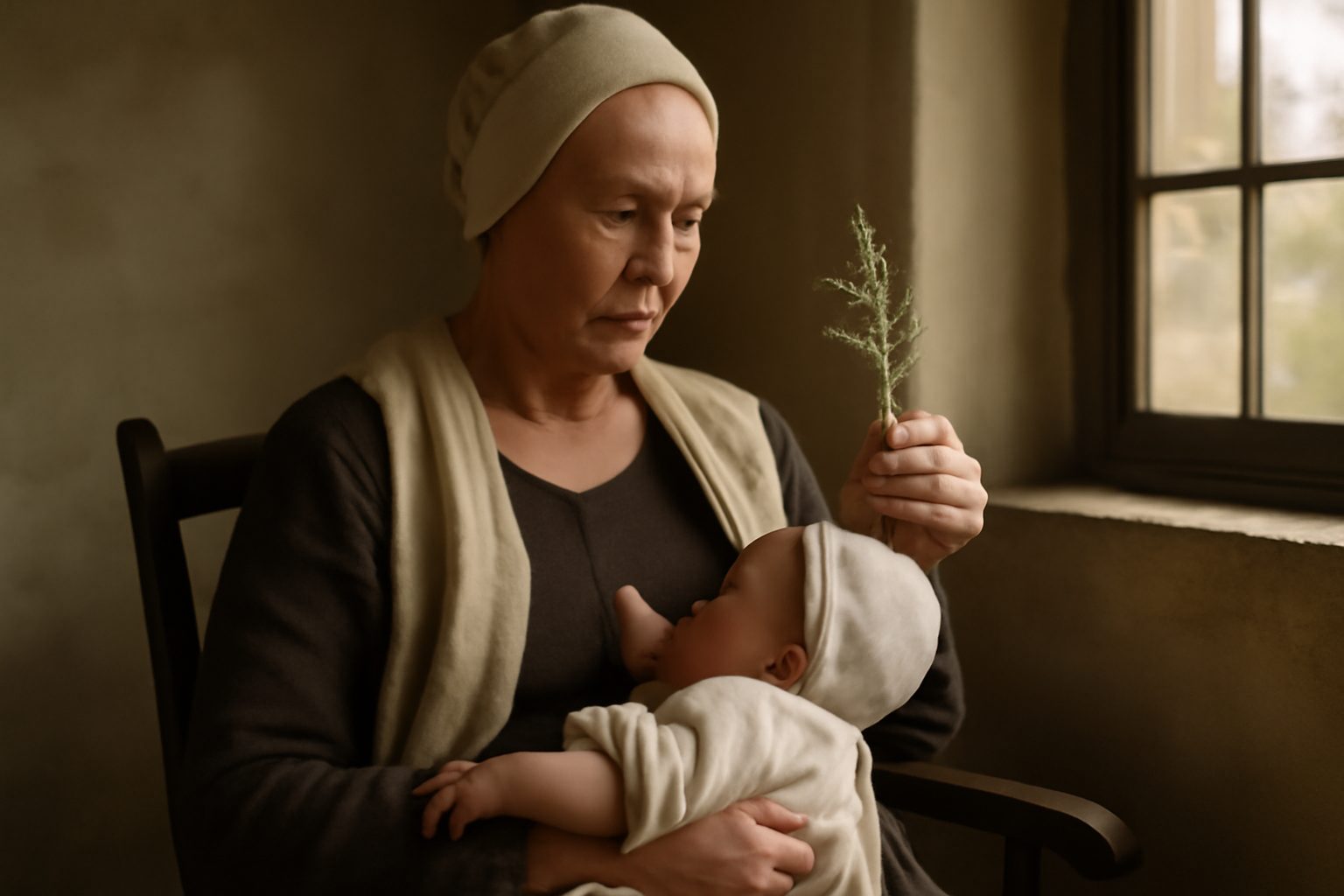
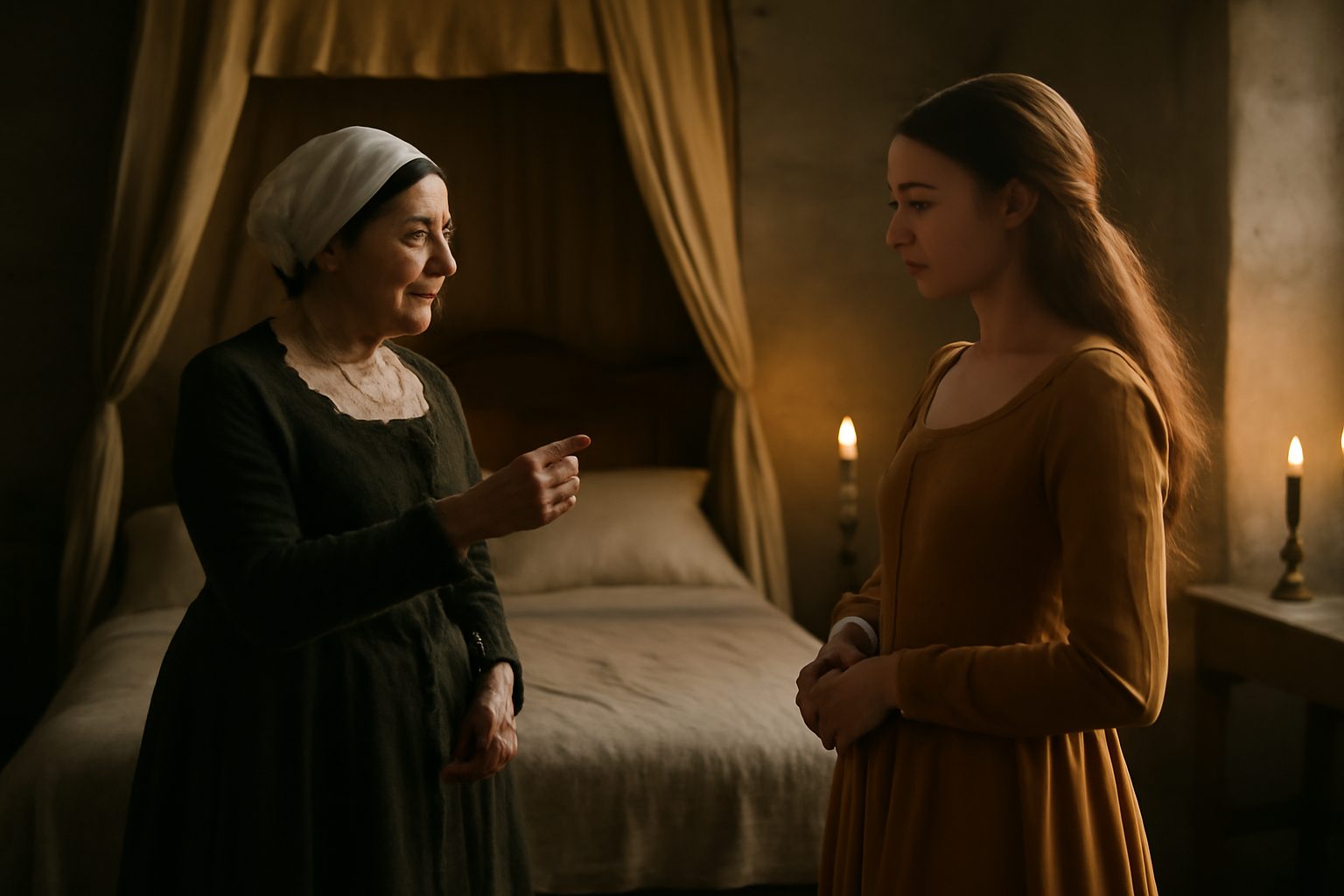
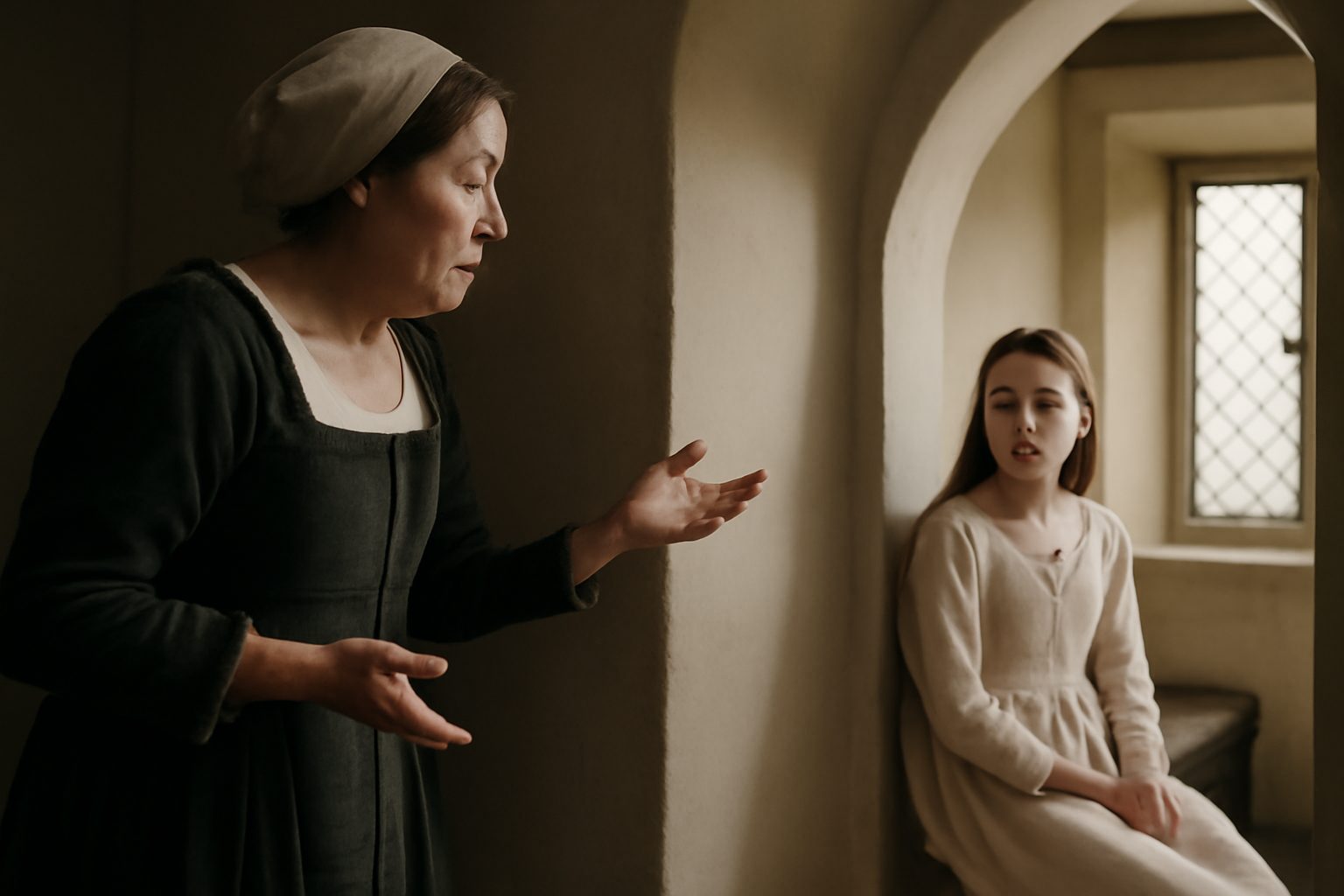
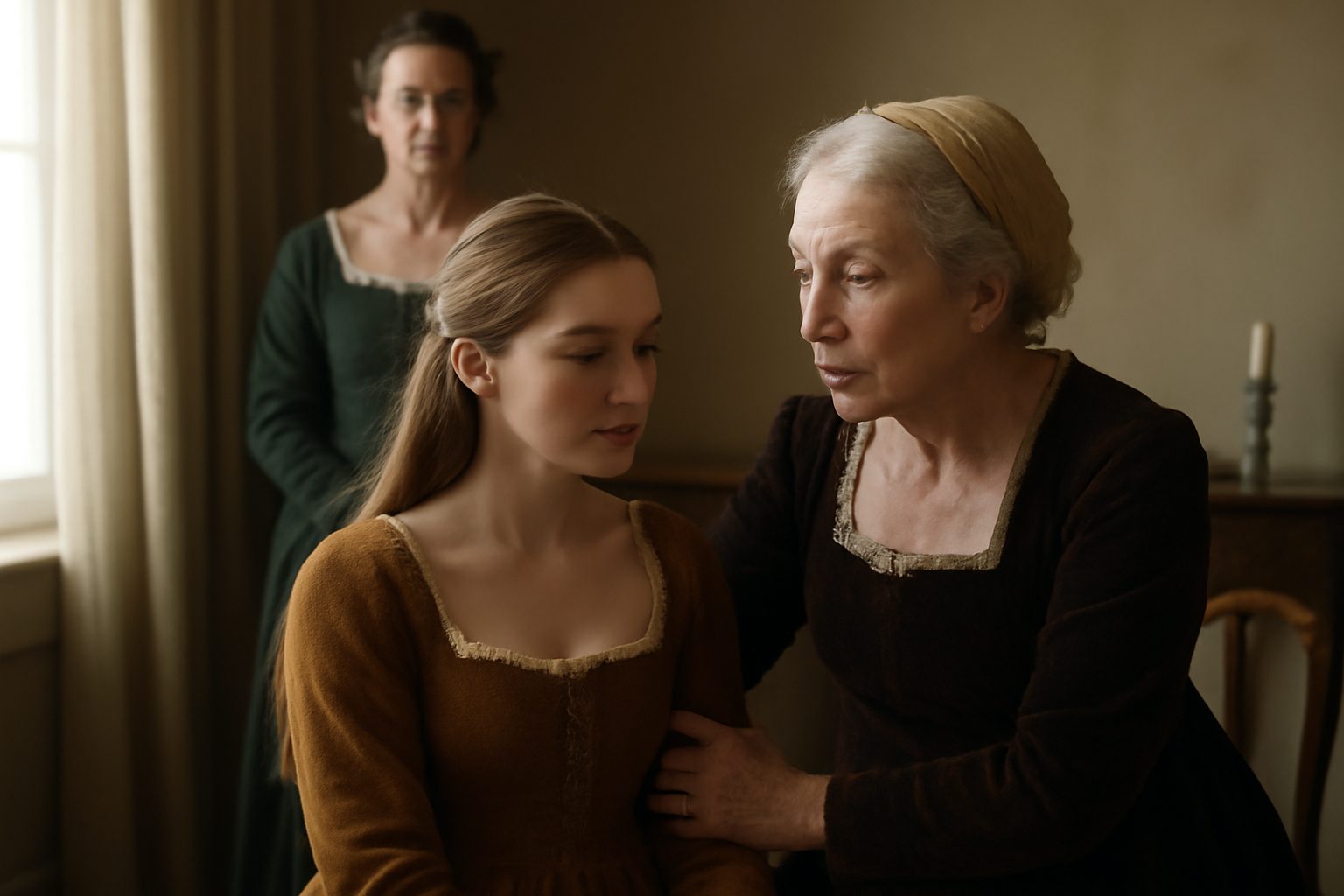
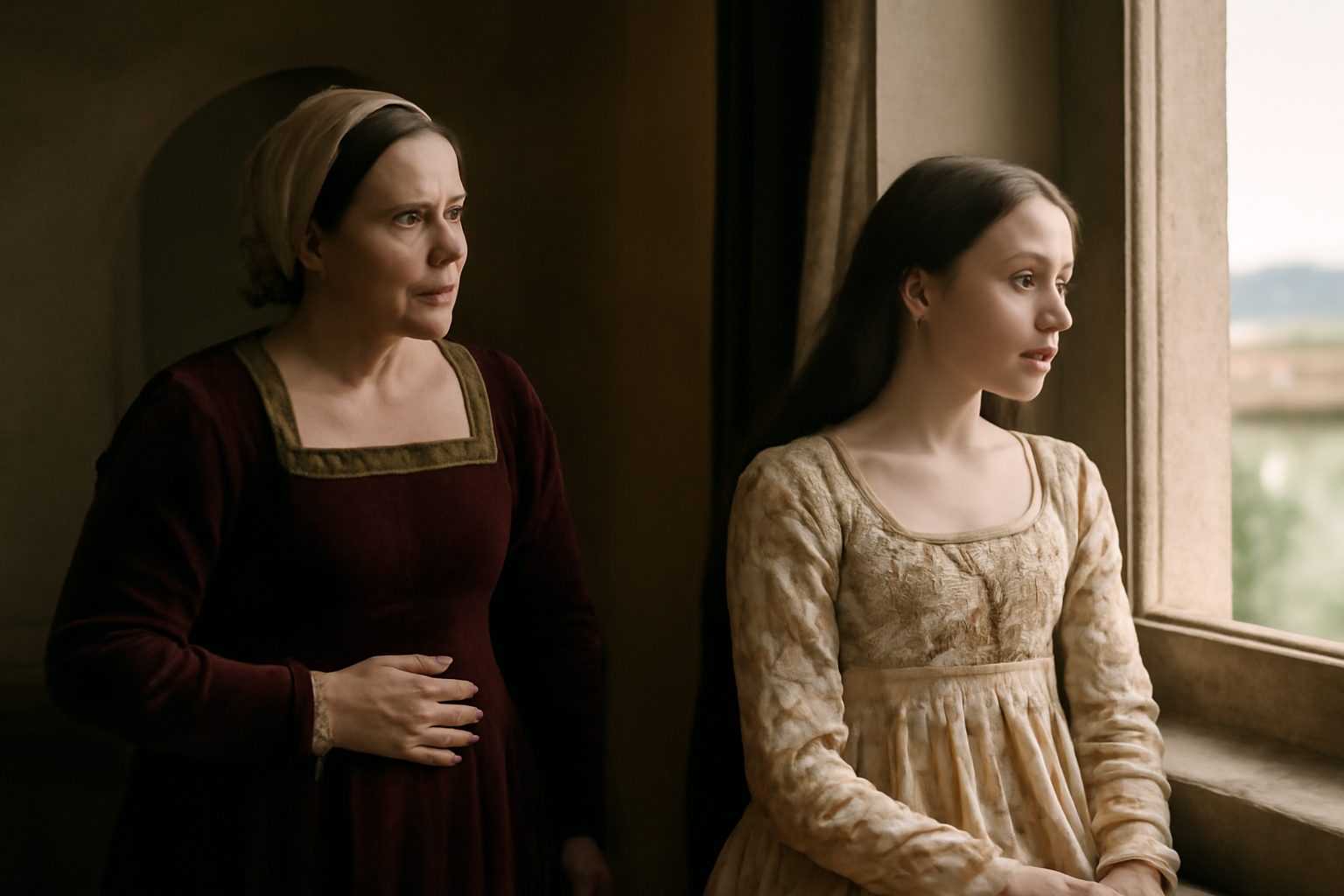
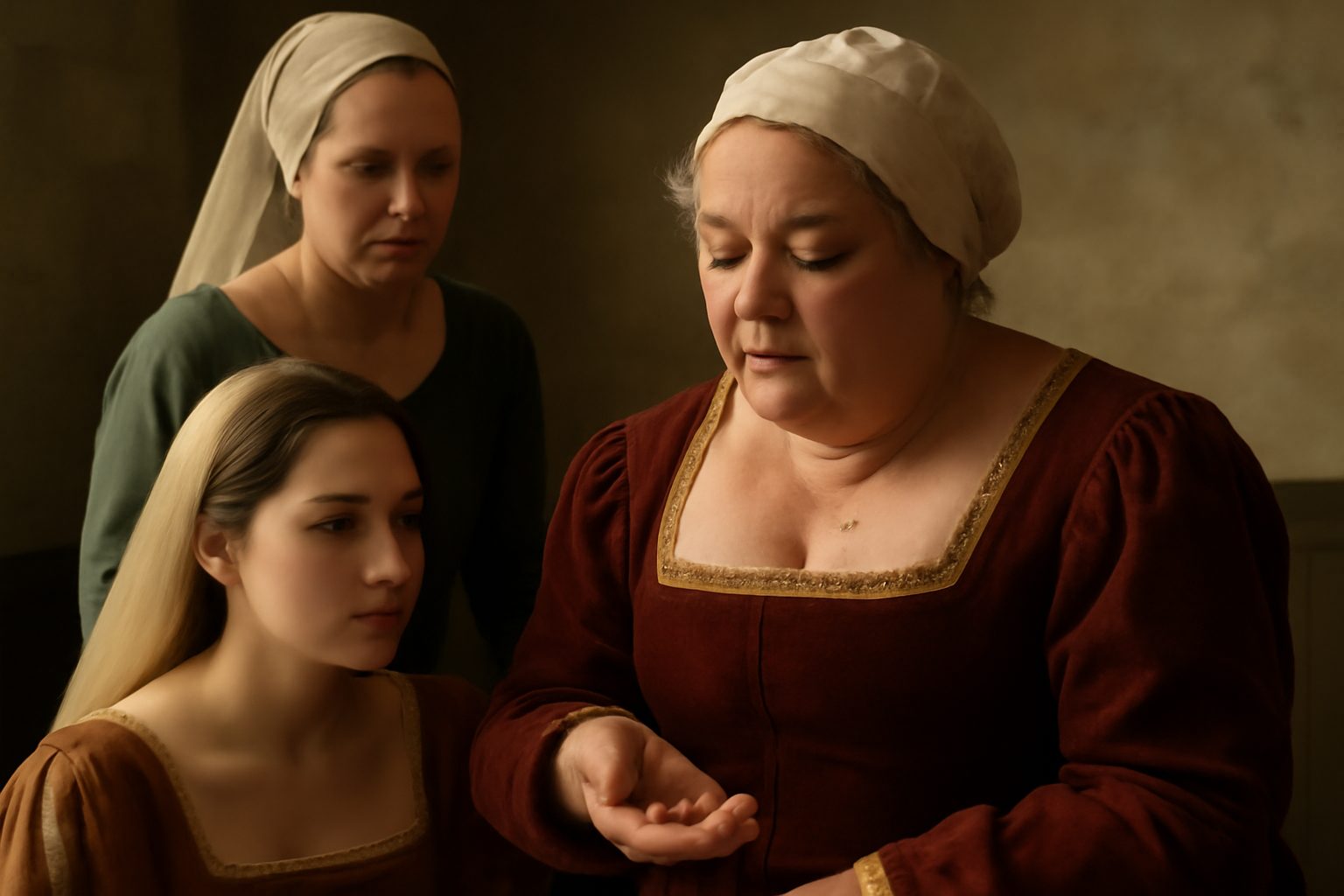
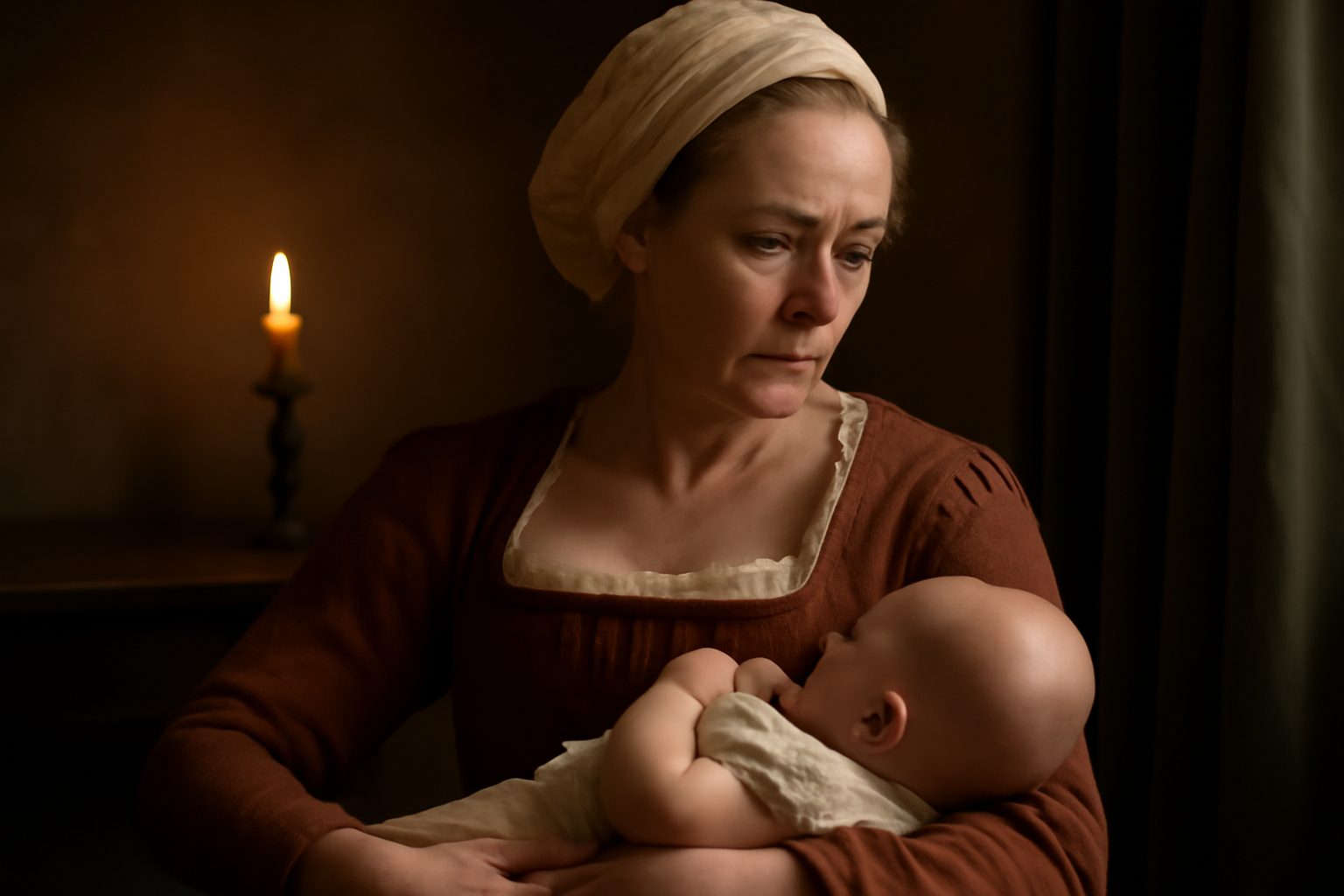
In Act 1, Scene 3 of Romeo and Juliet, the Nurse reminisces about Juliet's infancy, sharing a humorous anecdote about her as a fussy baby. The line refers to Juliet's childish irritability, particularly her tendency to quarrel with her wet nurse during weaning. This moment offers a lighthearted glimpse into Juliet's past, contrasting with the heavier themes of love and conflict that dominate the play.
Nurse: "To see it tetchy and fall out with the dug!"
In modern day english, we would say:
To see the baby get fussy and angry with the nipple!
Frequently Asked Questions
What does the Nurse mean when she says the baby was fussy and fought with its wet nurse?
The Nurse is recalling how Juliet was a difficult baby who would get cranky and refuse to nurse from her.
Connections to other verses:
Connections to "To see it tetchy and fall out with the dug!"
The verse "To see it tetchy and fall out with the dug!" is part of the Nurse's vivid, rambling recollection of Juliet's infancy. It depicts Juliet as a fussy baby rejecting the breast, and connects thematically and narratively to several other lines in the scene that elaborate on her early life and the Nurse's personal history.
Direct Context of Weaning and Infant Care
This moment is immediately preceded by "When it did taste the wormwood on the nipple", where the Nurse explains she applied bitter wormwood to her breast to encourage weaning. It also relates to "For I had then laid wormwood to my dug", reinforcing the intentional bitterness used in the weaning process.
Juliet's Early Development
The Nurse’s anecdote about Juliet’s weaning is part of a broader timeline of her childhood, referenced in "And she was wean'd,--I never shall forget it,--", emphasizing the Nurse’s lasting memory of this milestone. This aligns with her claim in "For then she could stand alone; nay, by the rood," which marks Juliet’s physical growth around the same period.
Personal and Emotional Reflections
The Nurse’s storytelling includes personal loss, tying into "Susan and she--God rest all Christian souls!--", where she mentions her own deceased child, and "And then my husband--God be with his soul!", highlighting her widowhood. These elements deepen the emotional context of her care for Juliet.
Comic and Nostalgic Tone
The fussy reaction described connects to the Nurse’s humorous tone in "To see, now, how a jest shall come about!", showing her fondness for playful storytelling. Additionally, Juliet’s responsive "Ay" during weaning echoes in "The pretty wretch left crying and said 'Ay.'" and "And, pretty fool, it stinted and said 'Ay.'", underscoring the consistency of the Nurse’s nostalgic narrative.