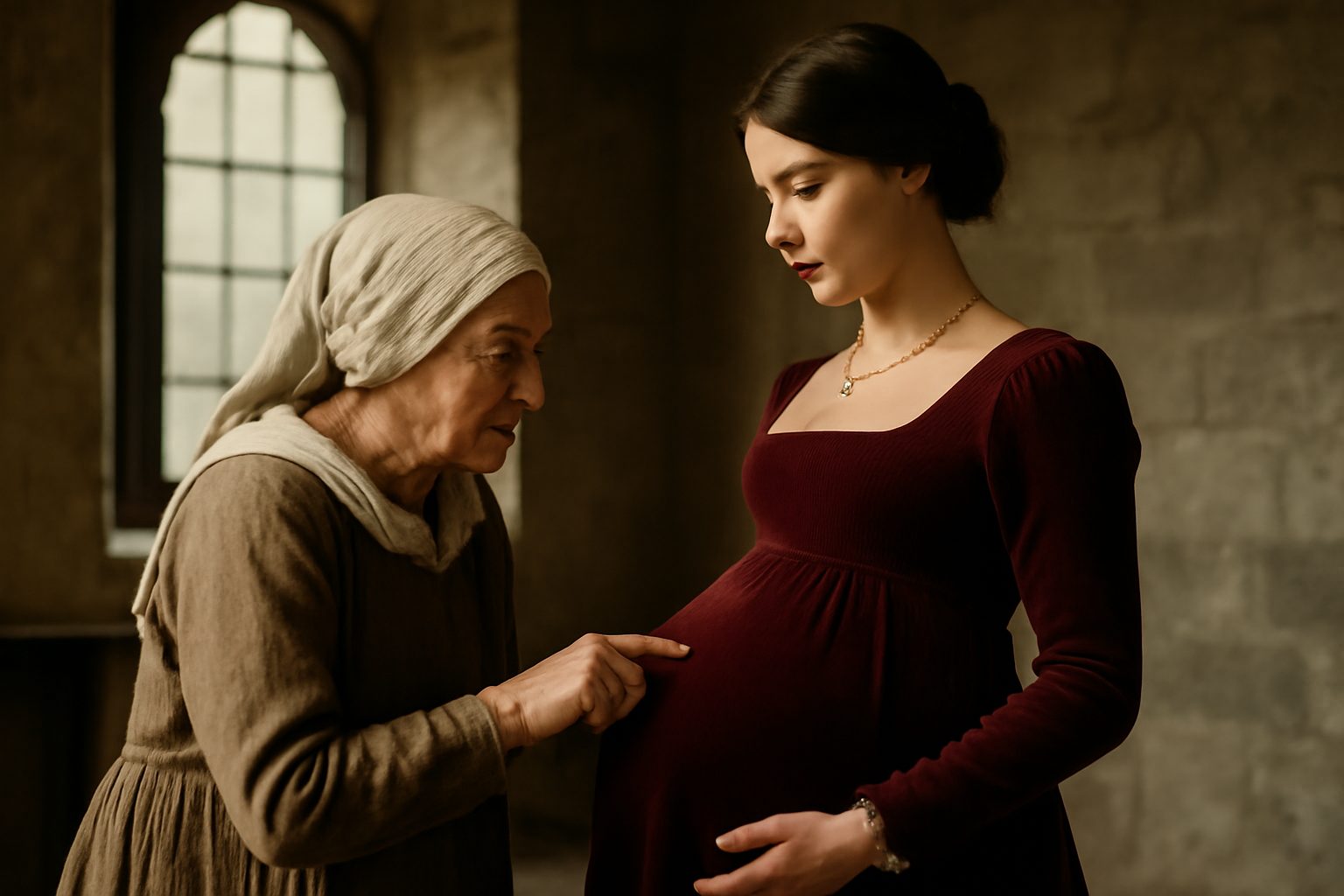
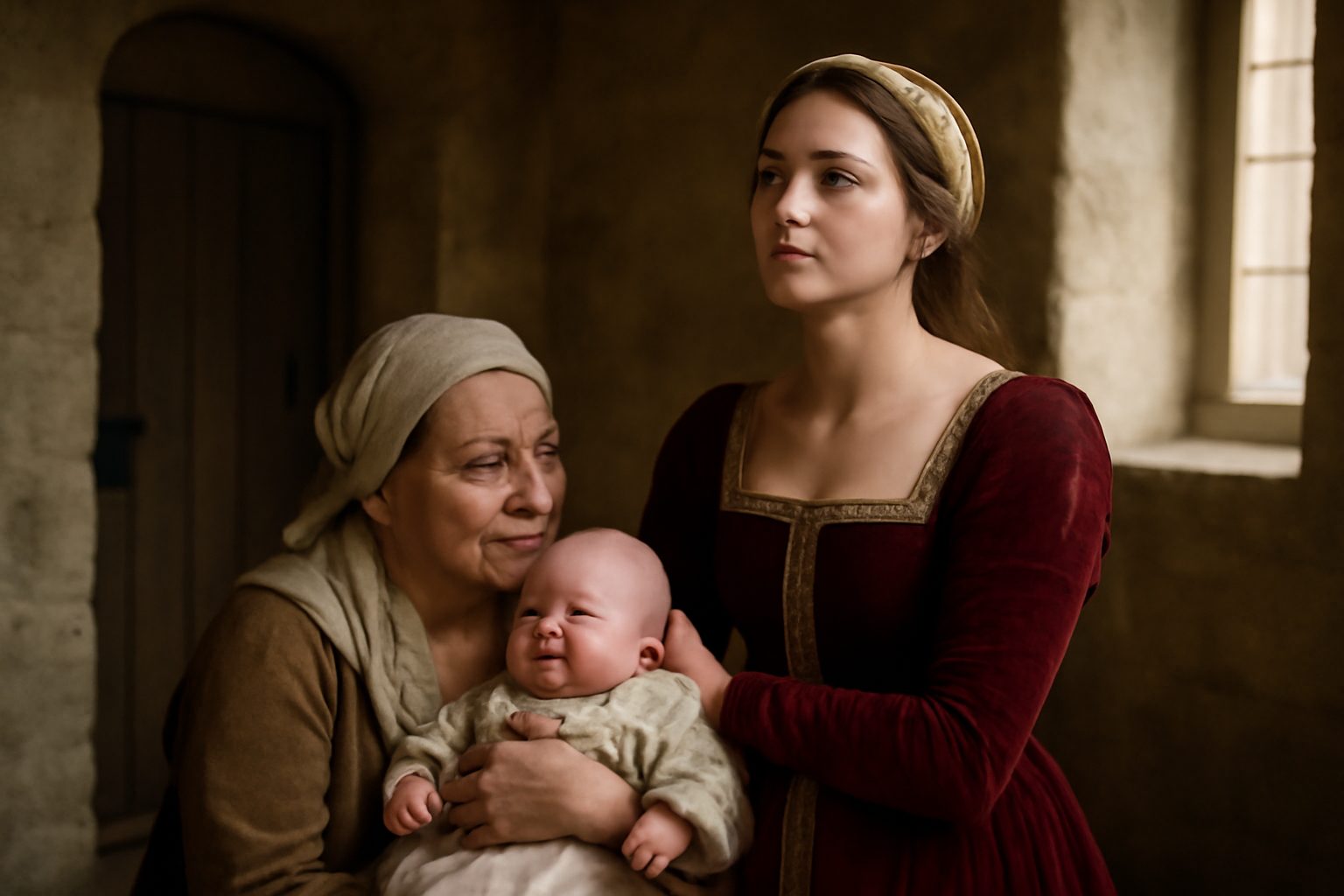
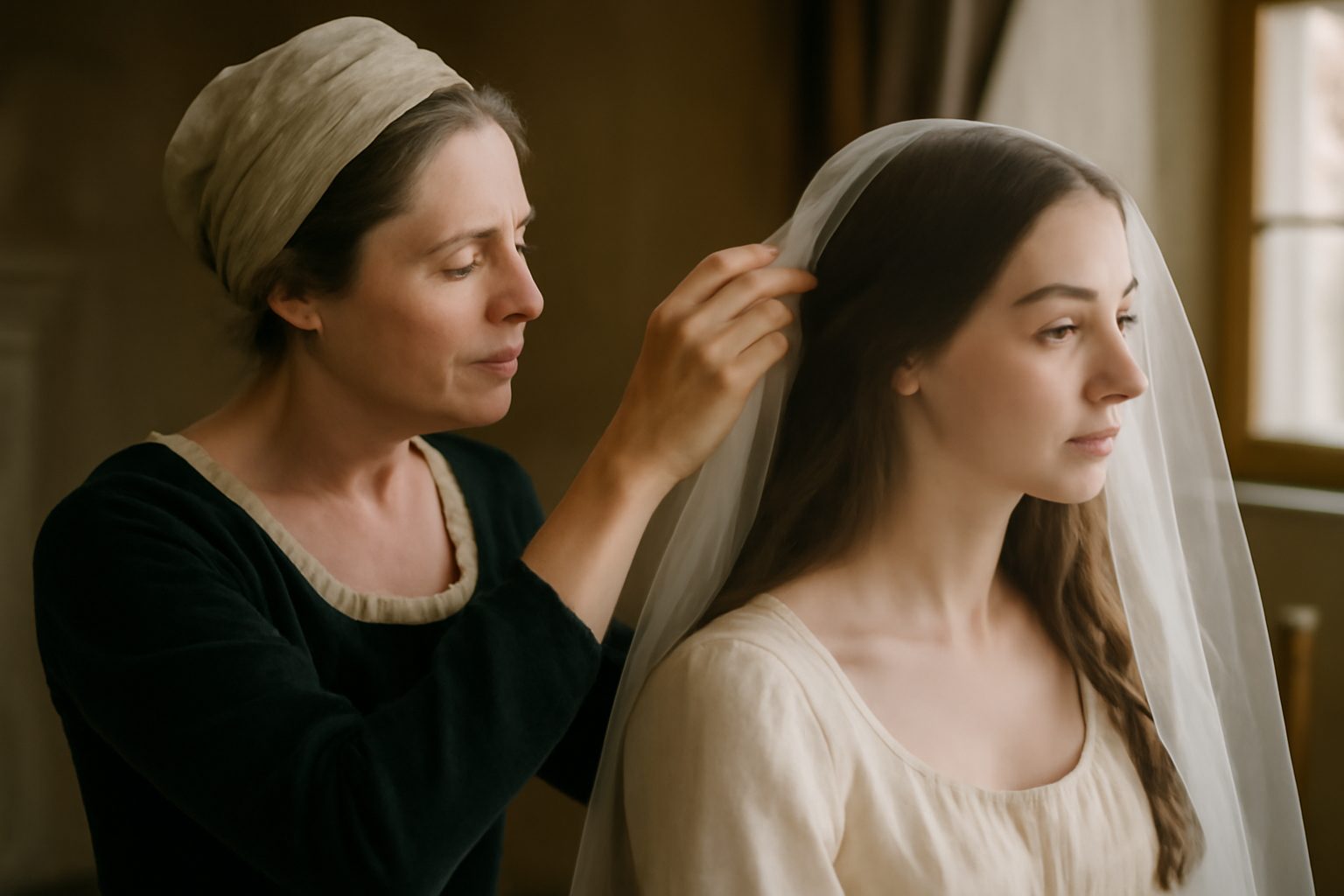
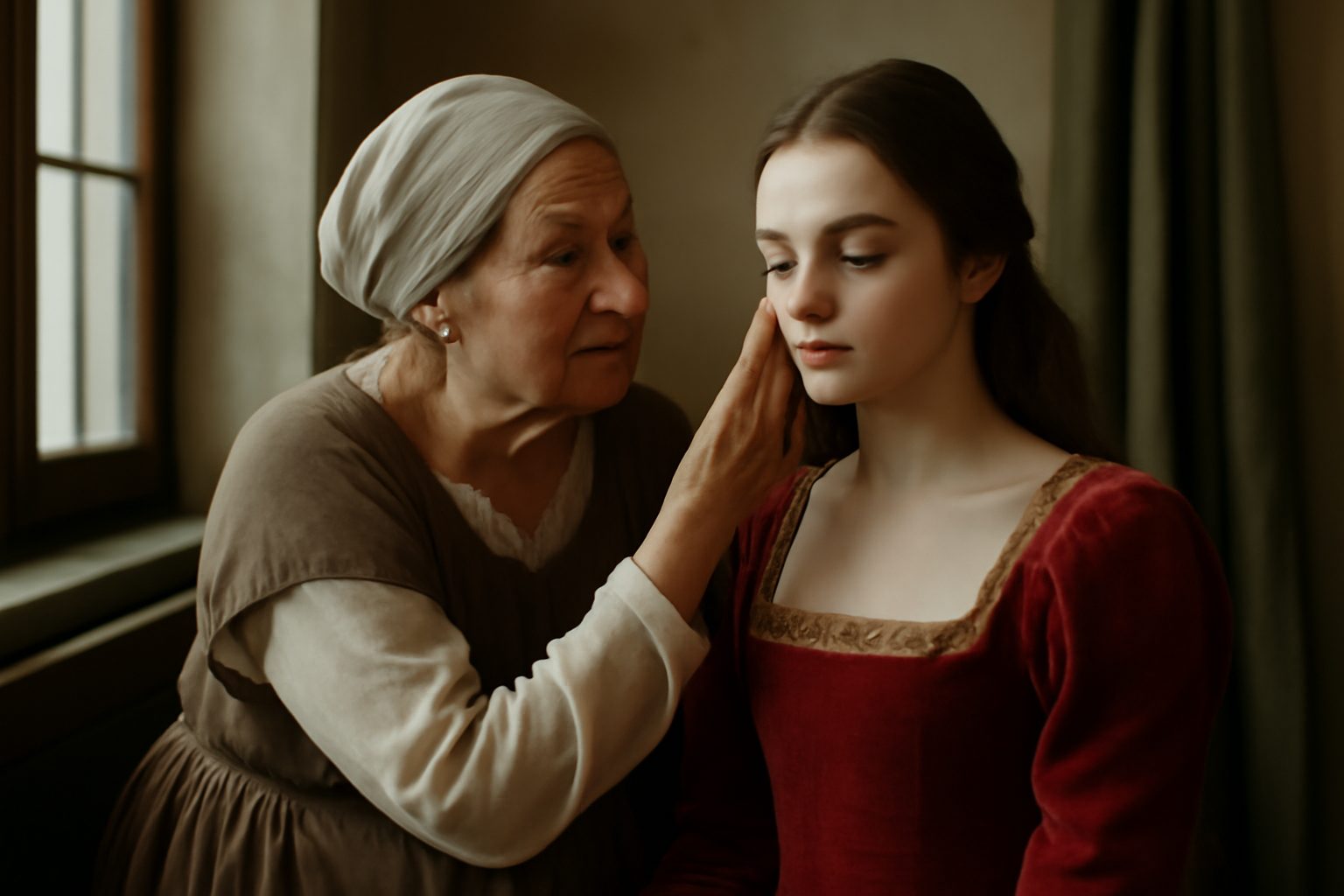
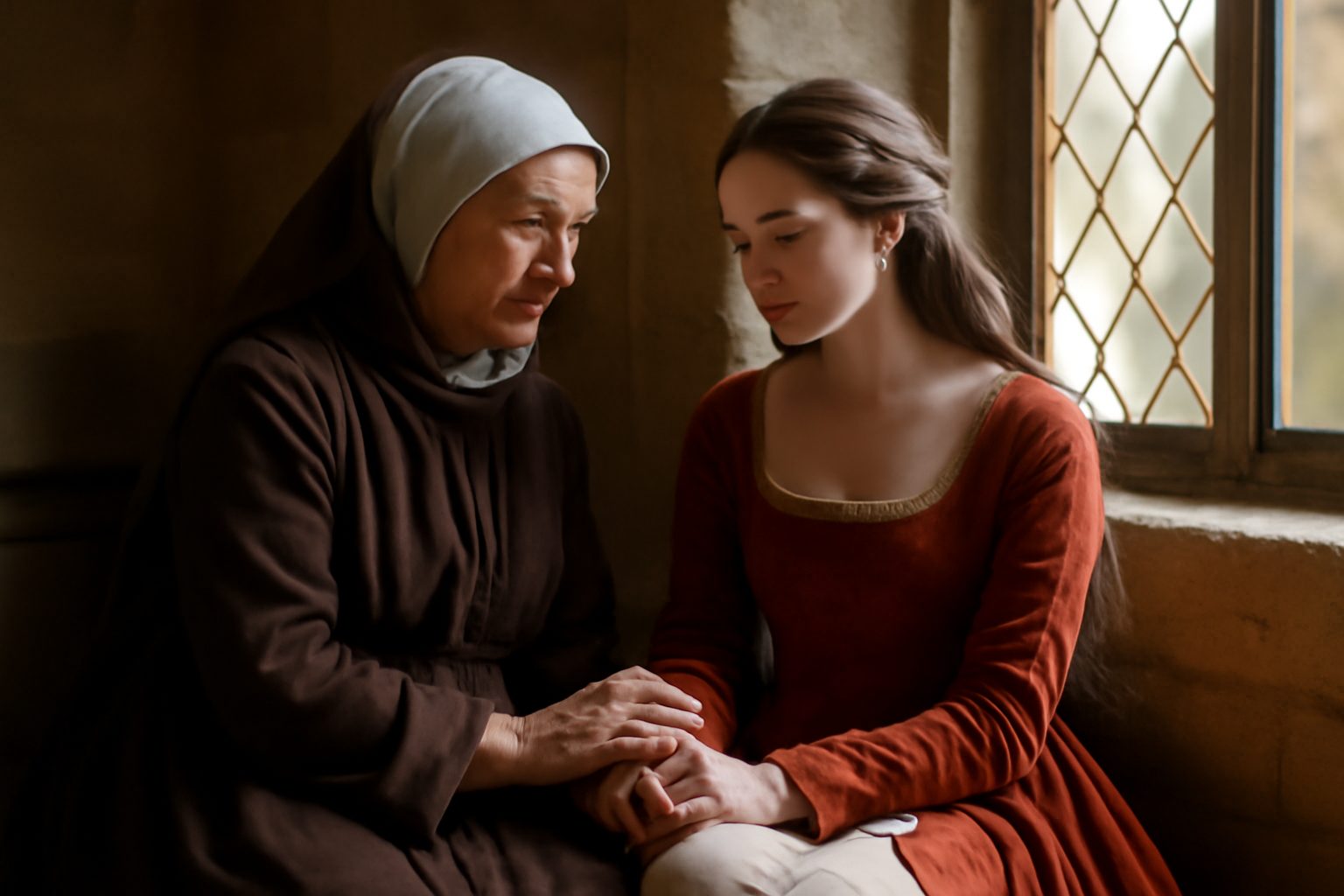
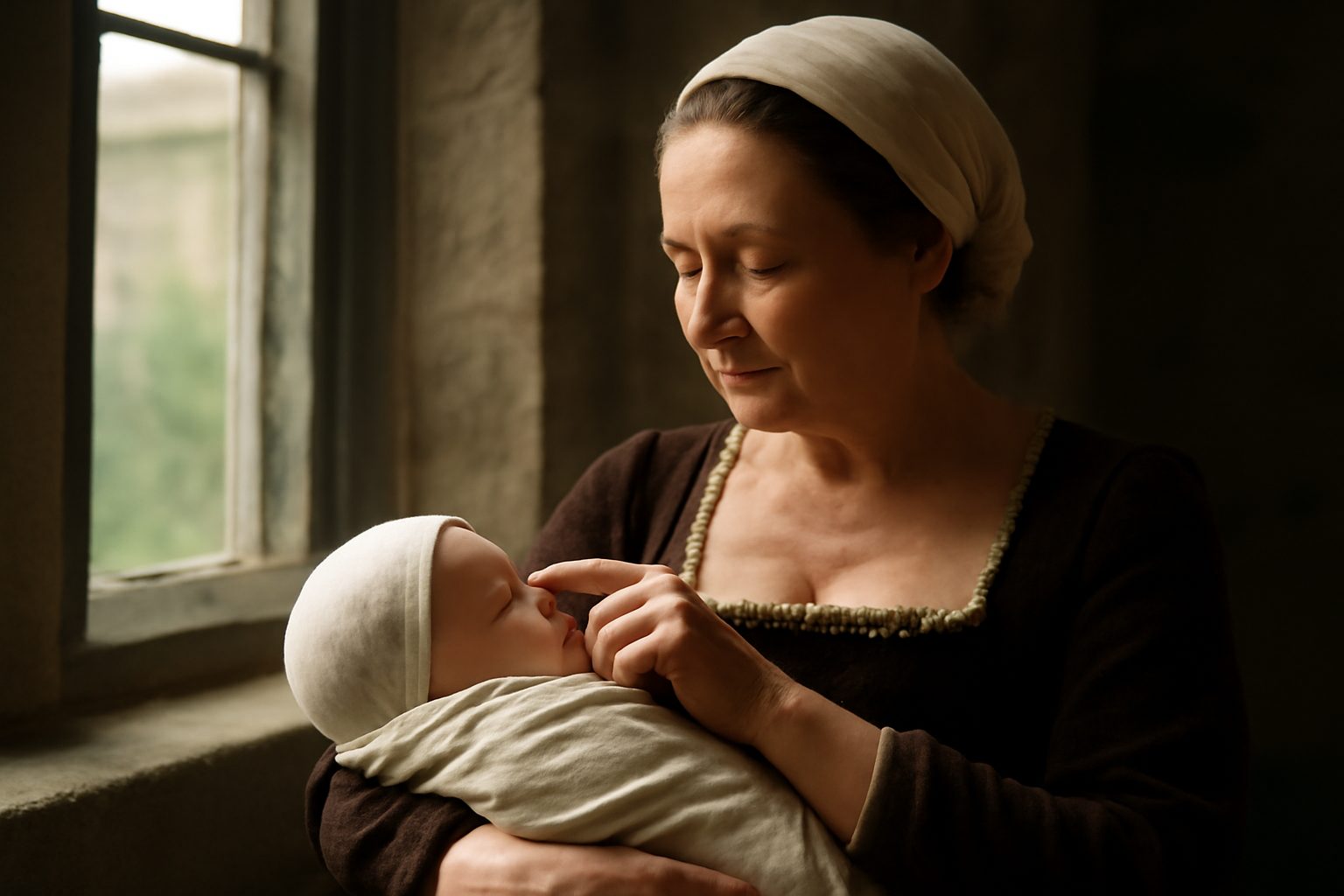
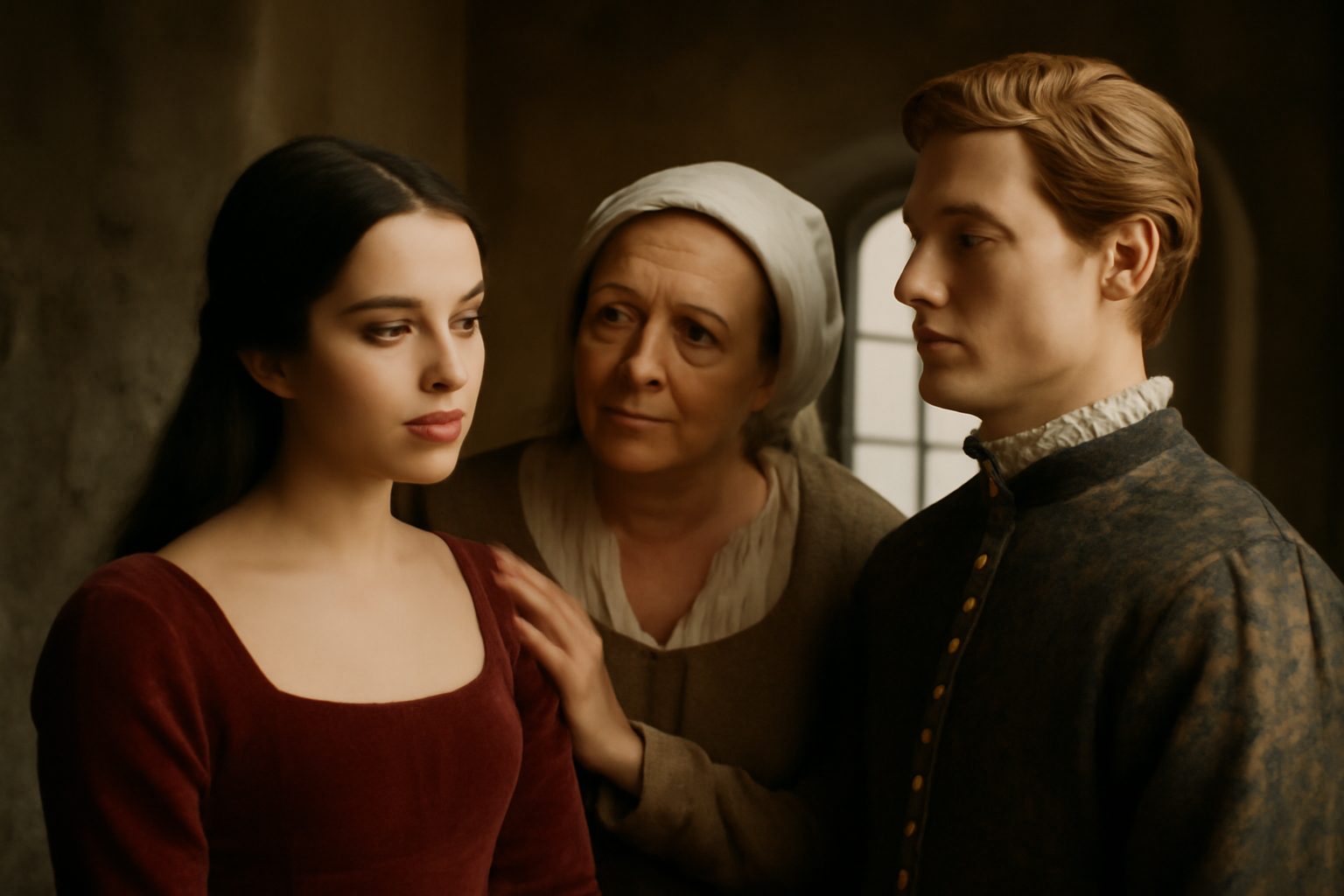
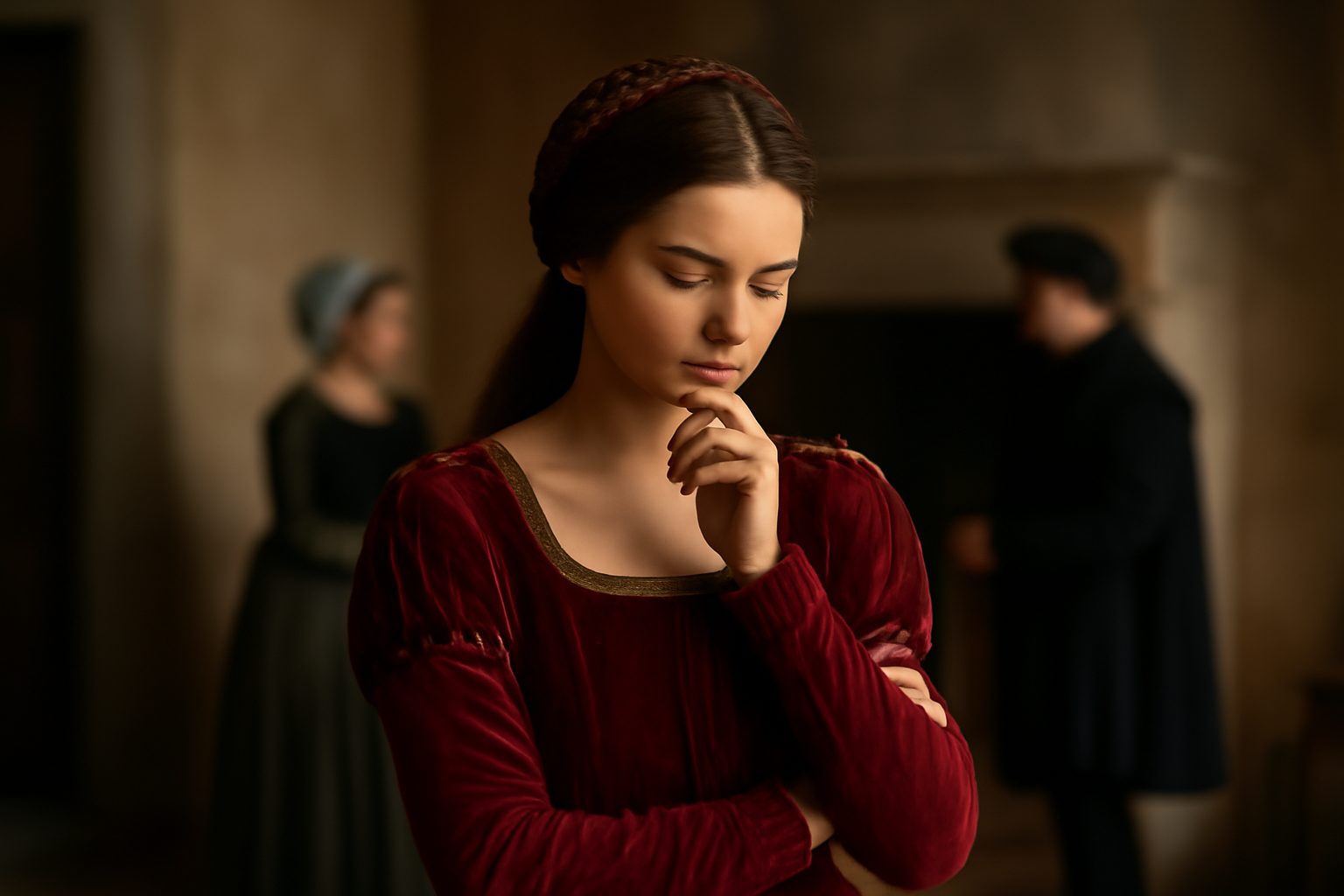
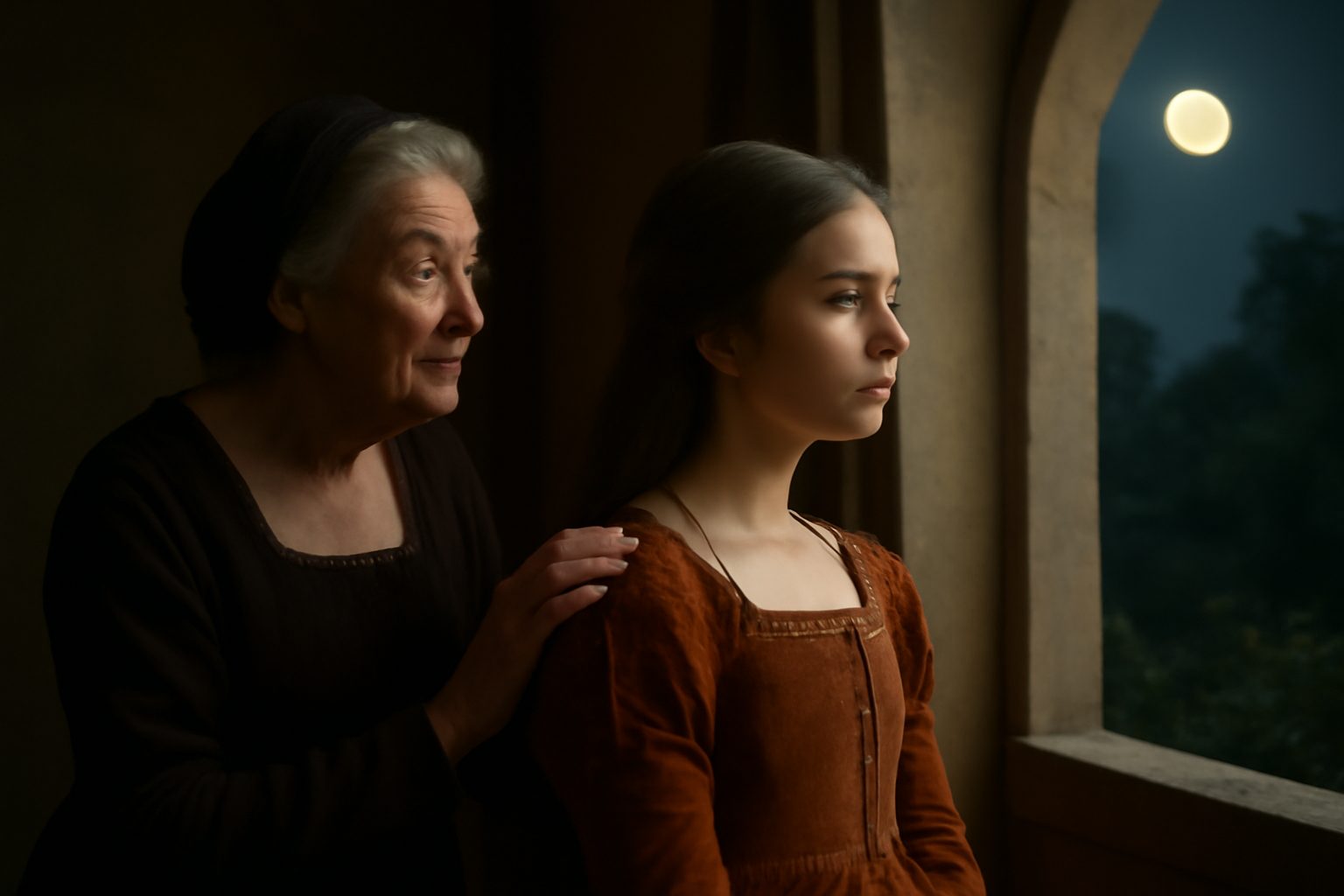
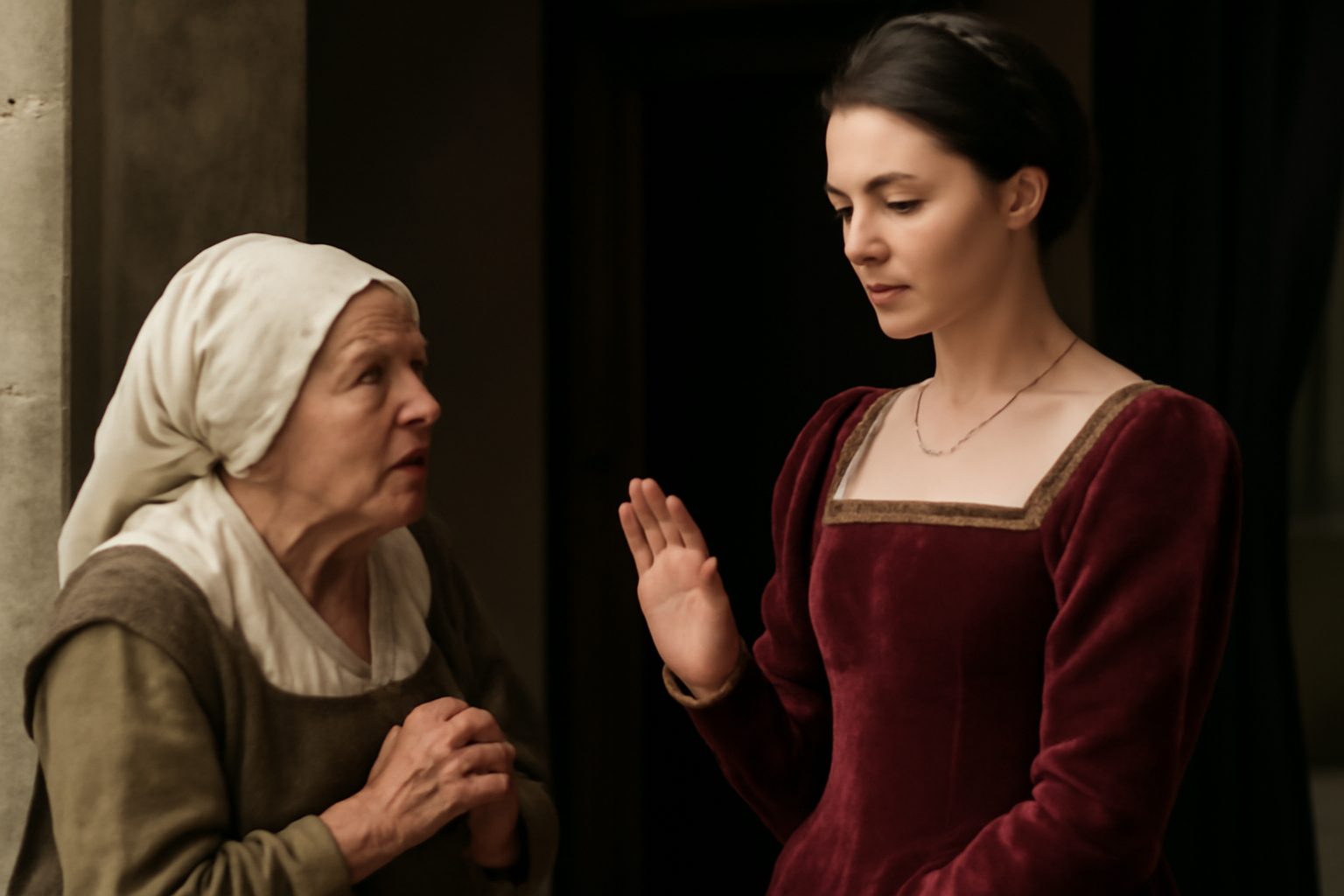
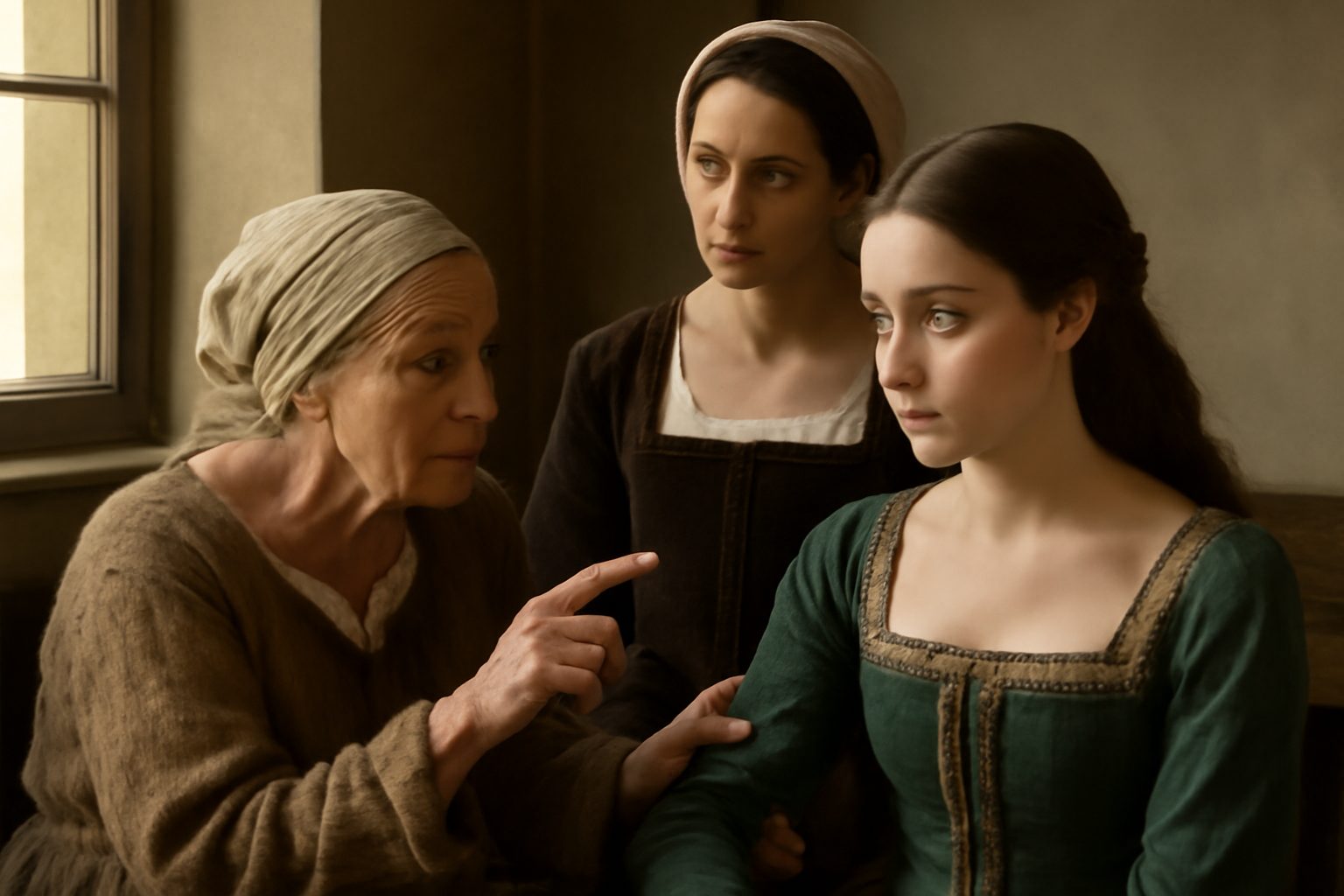
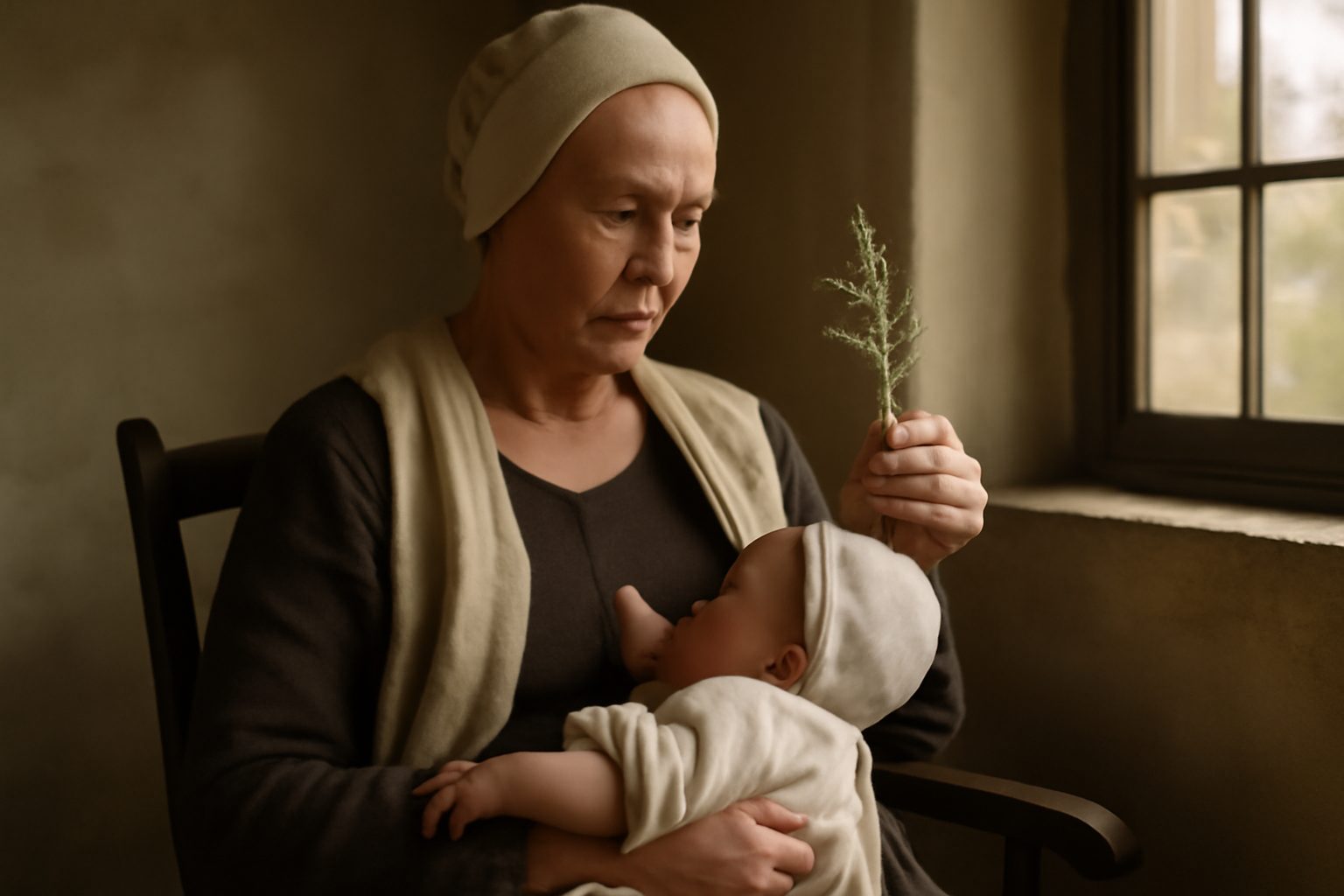
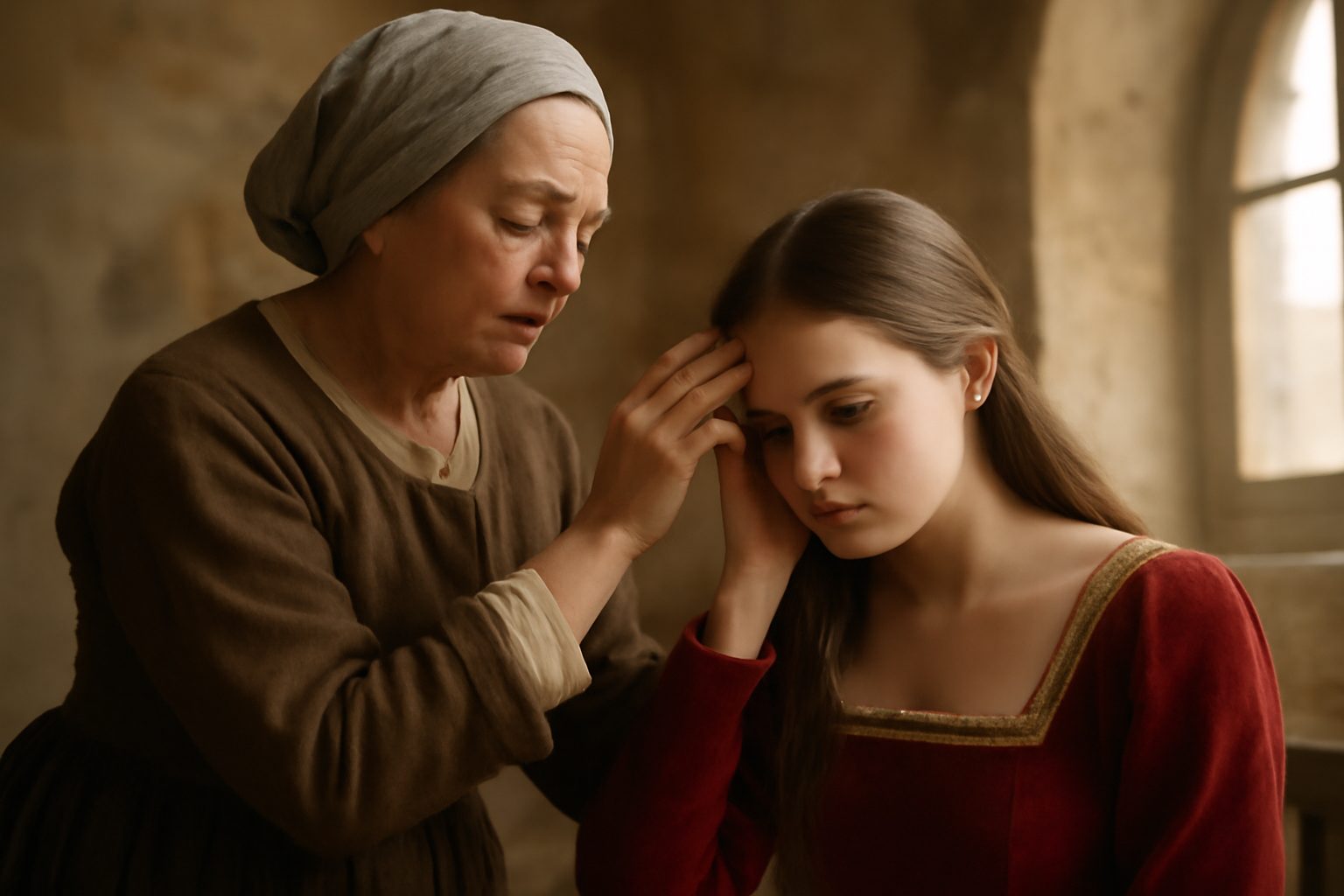
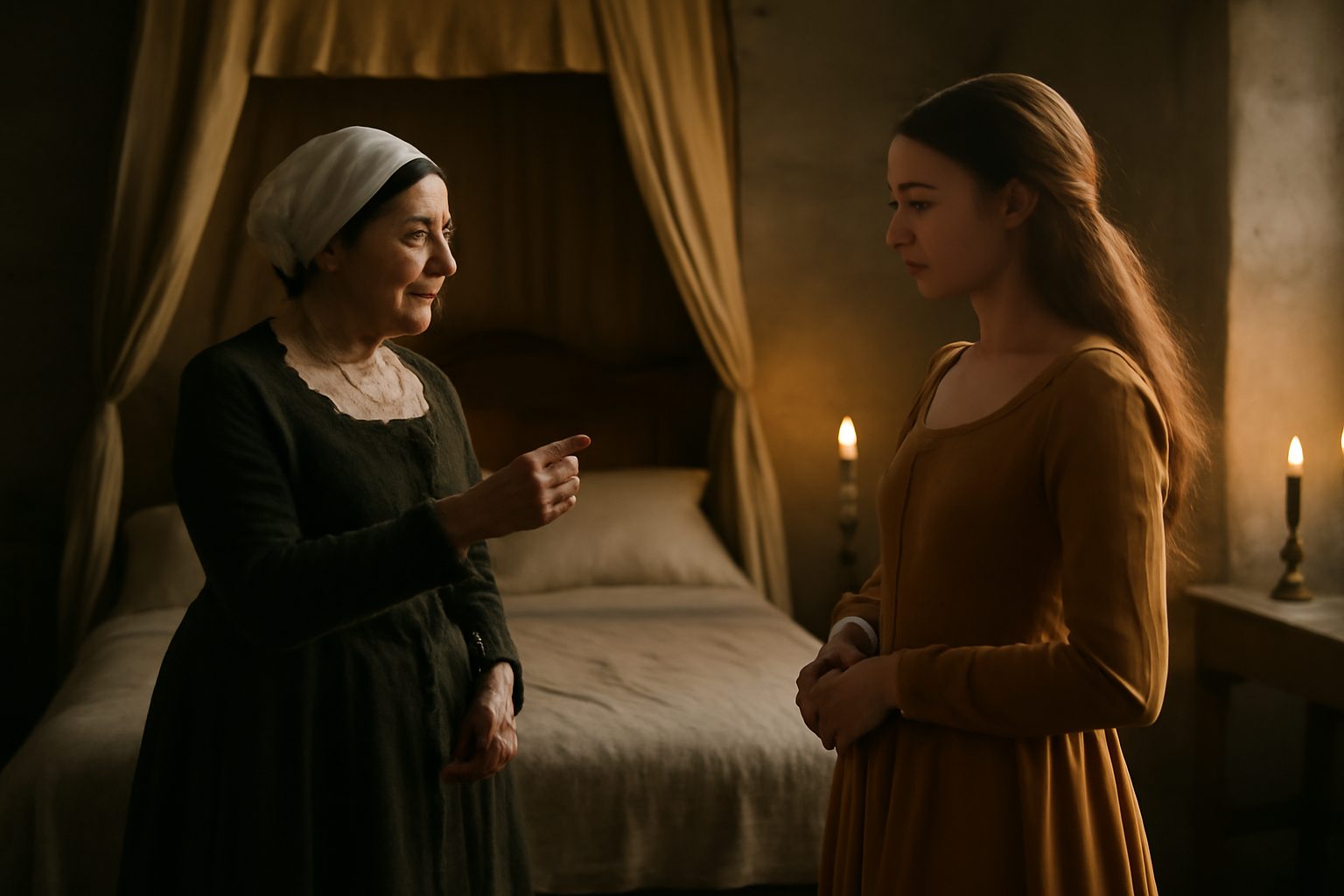
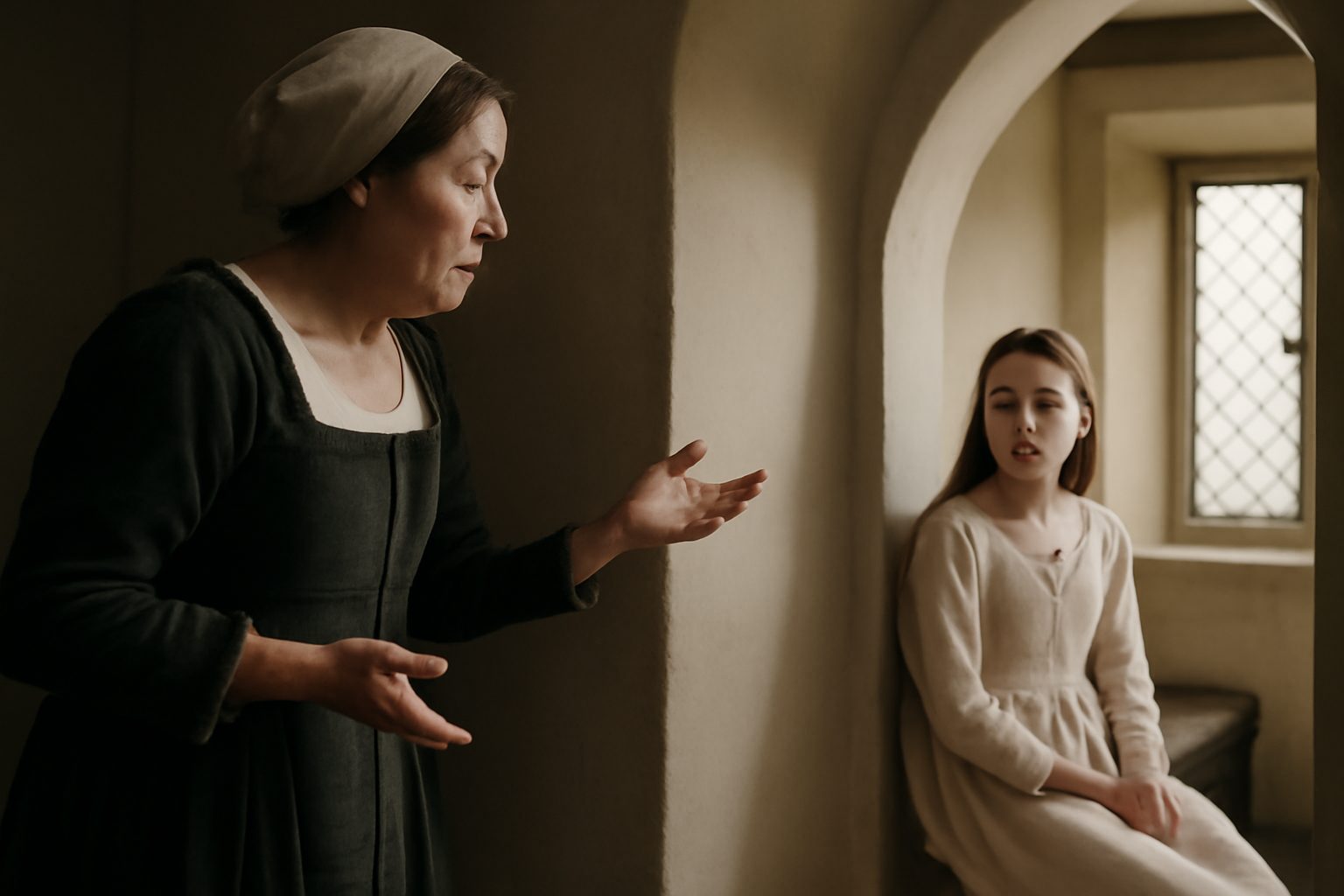
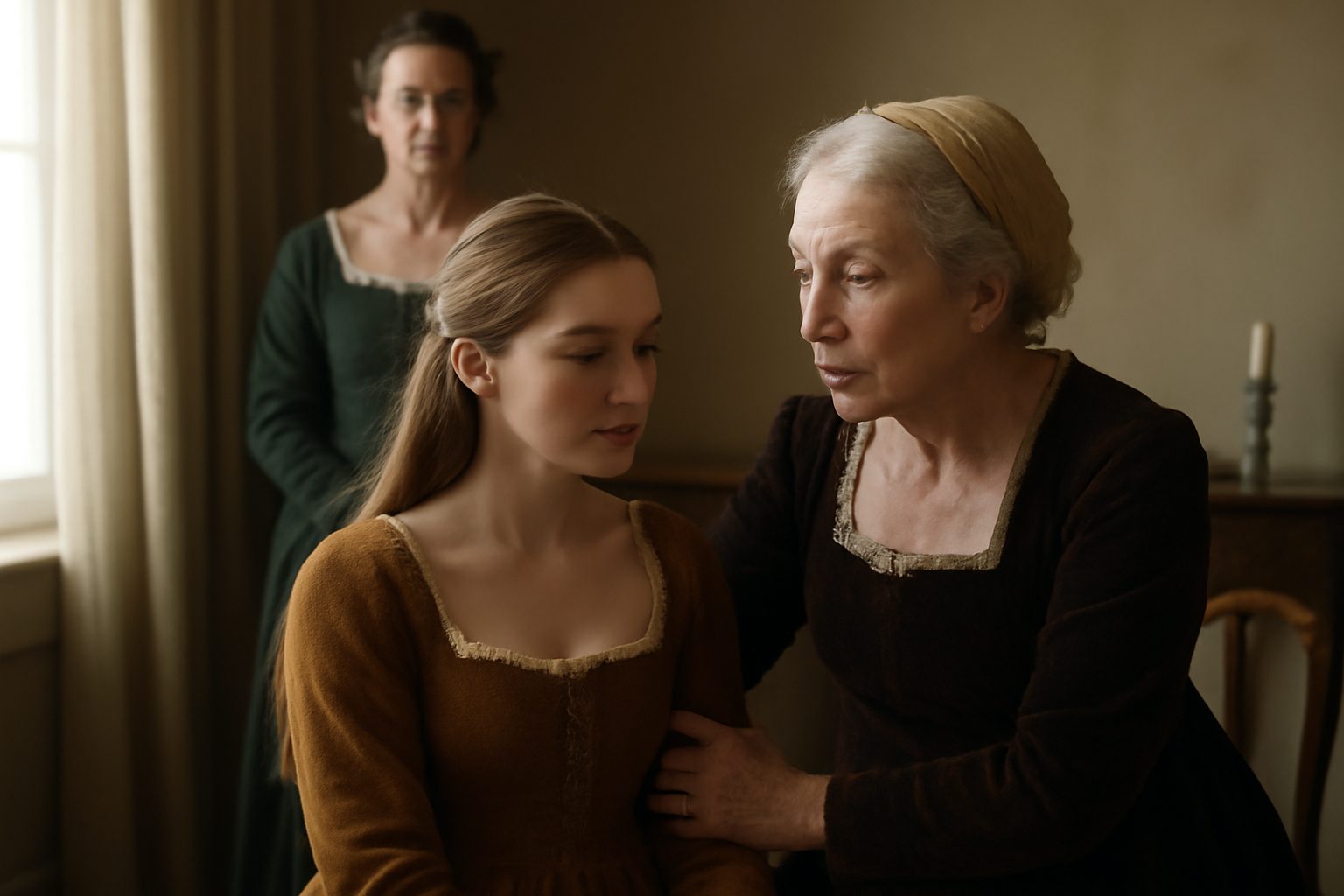
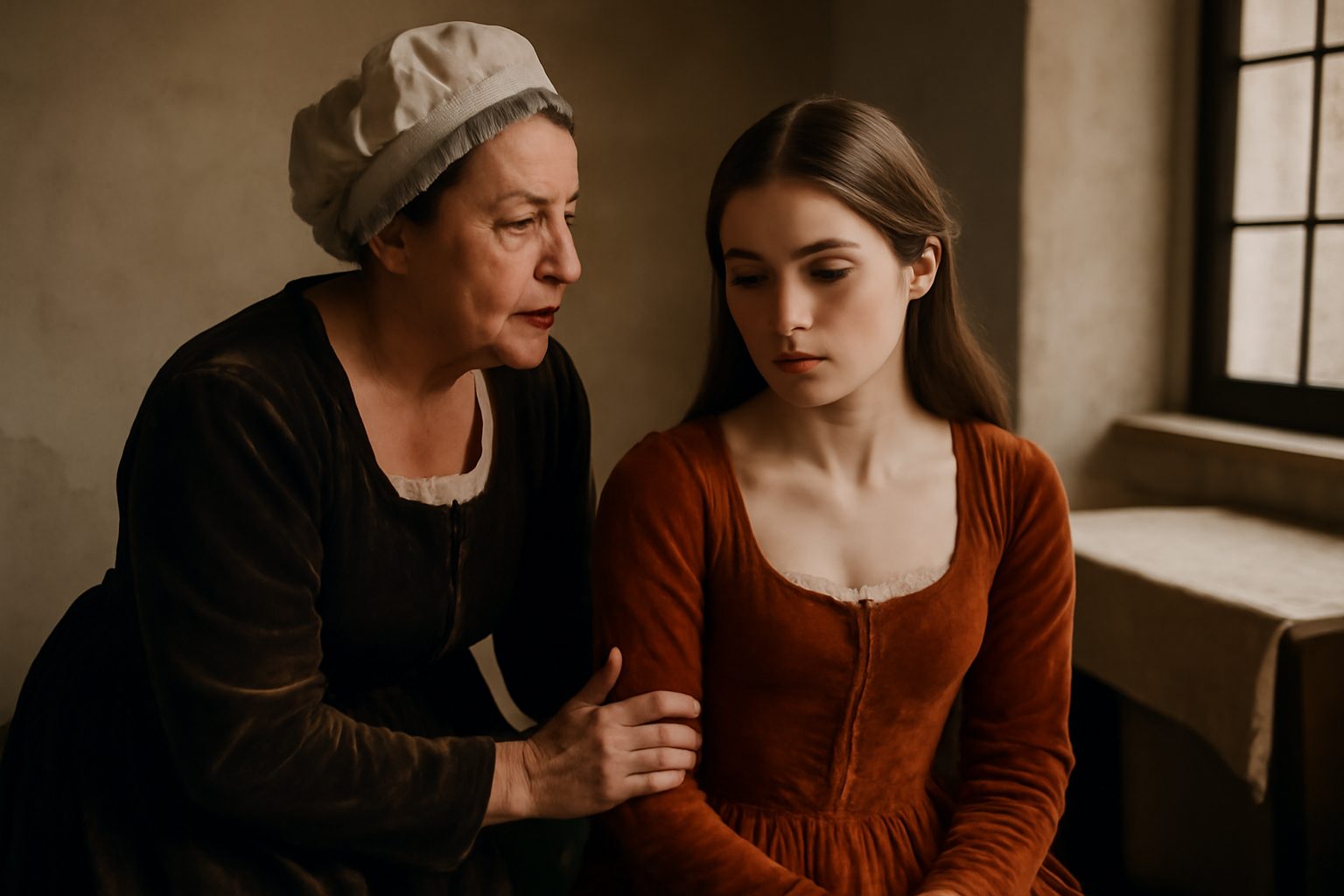
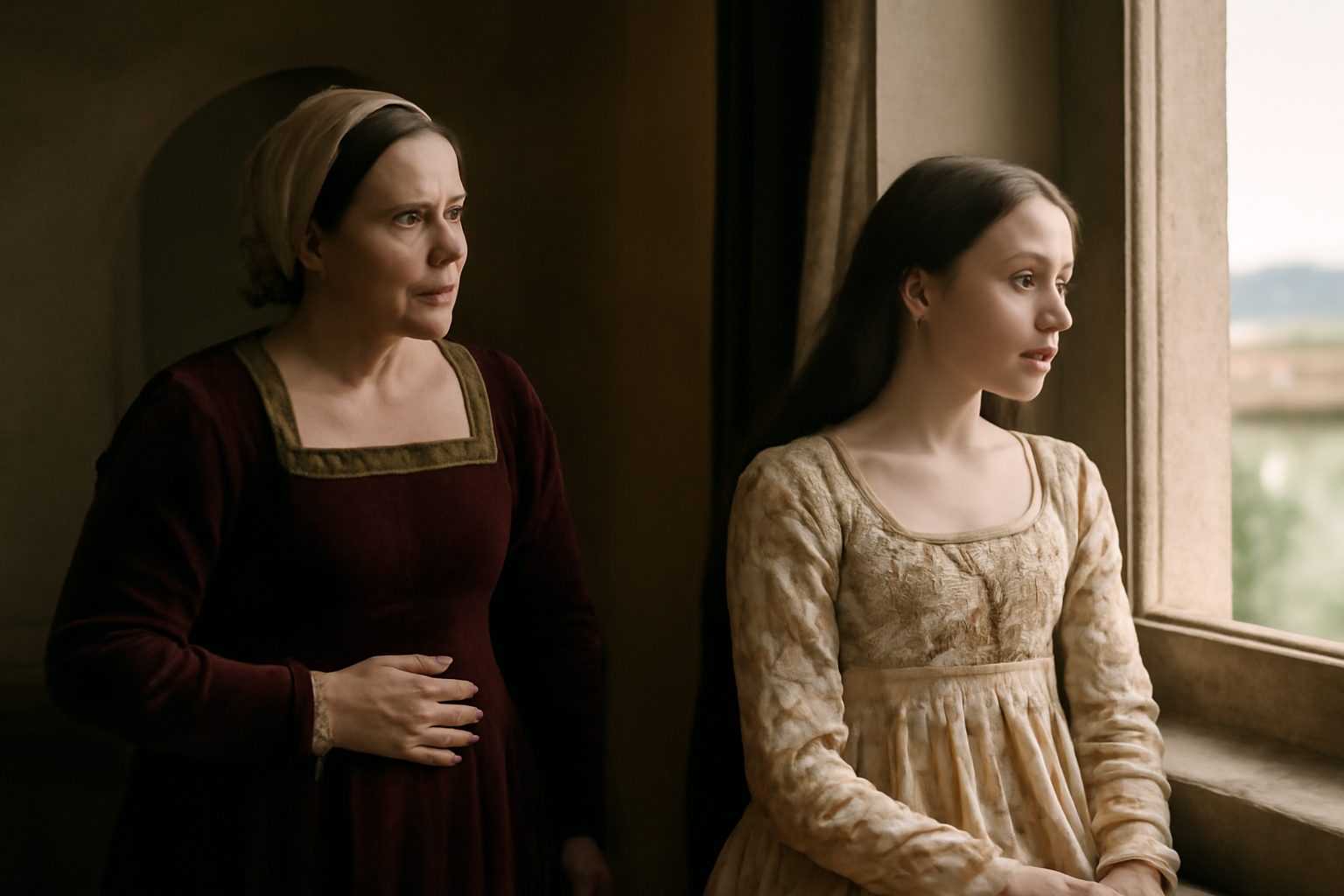
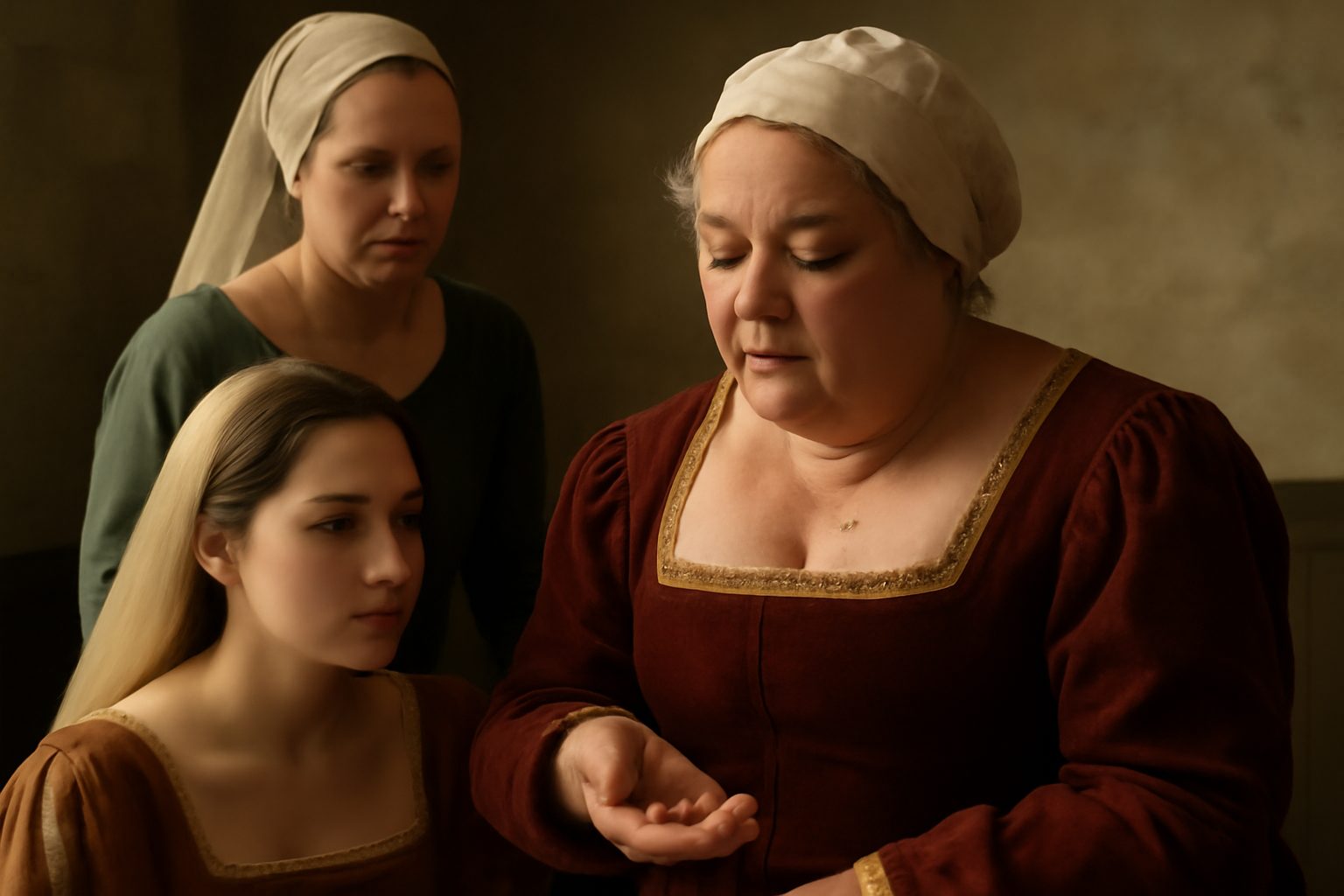
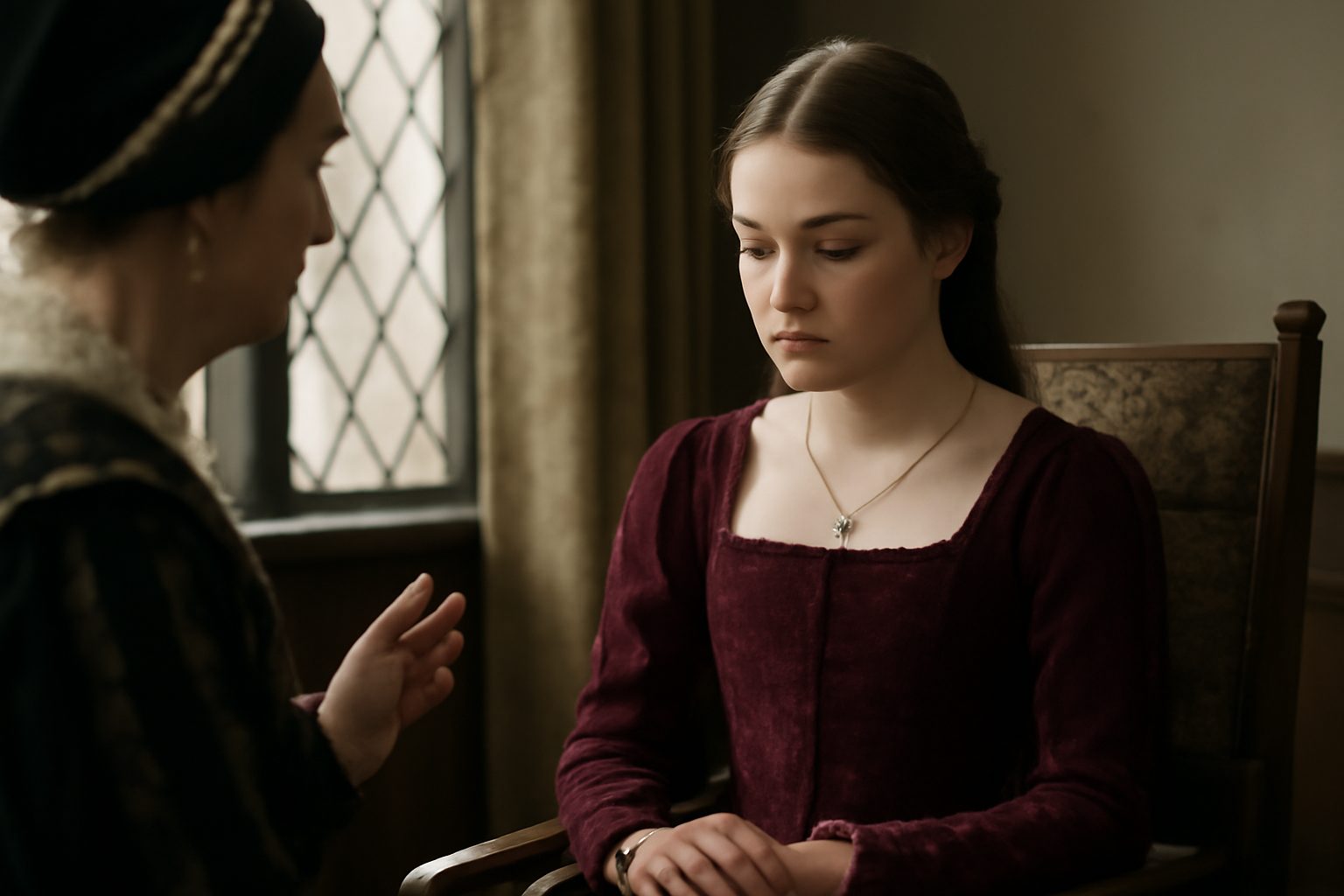
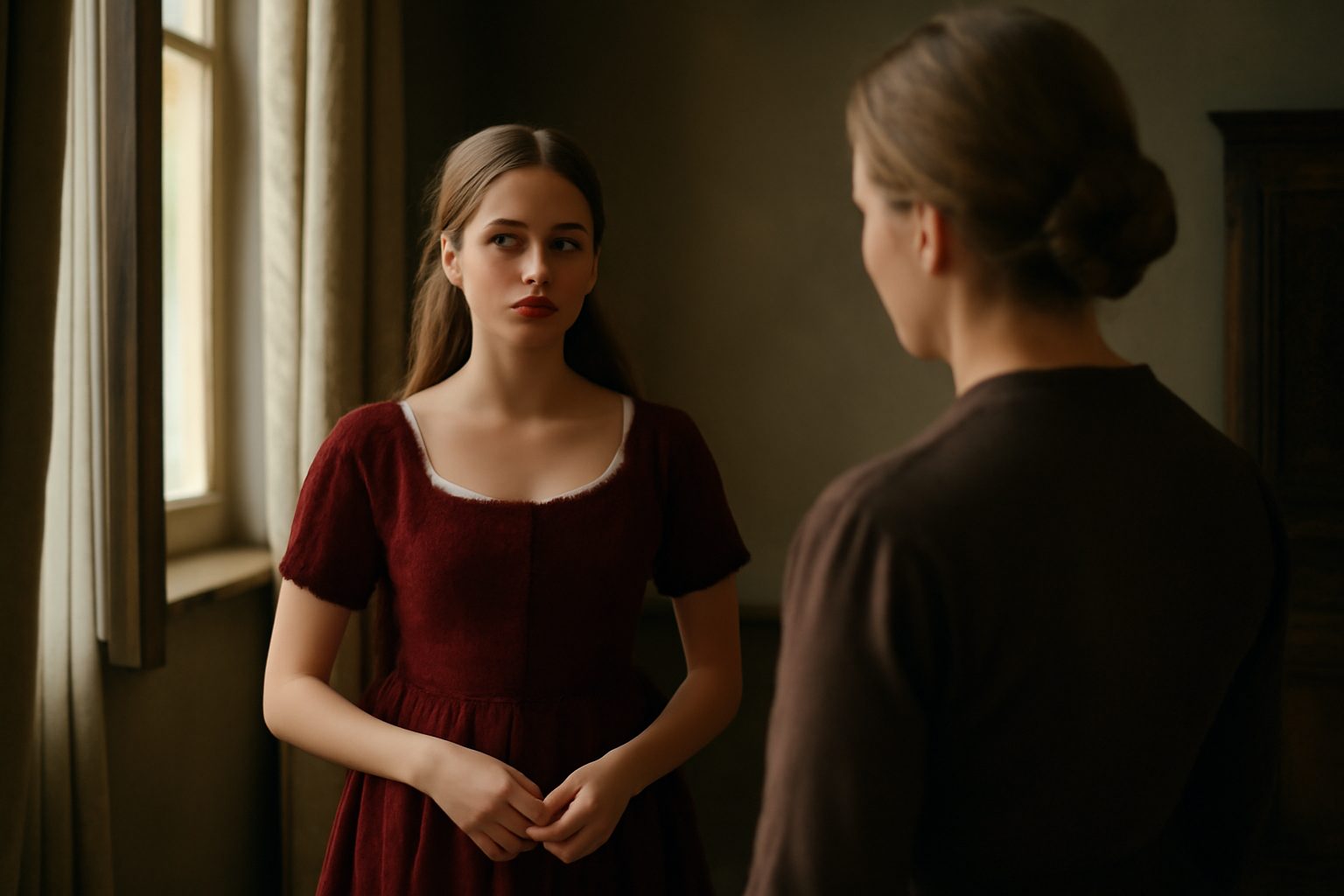
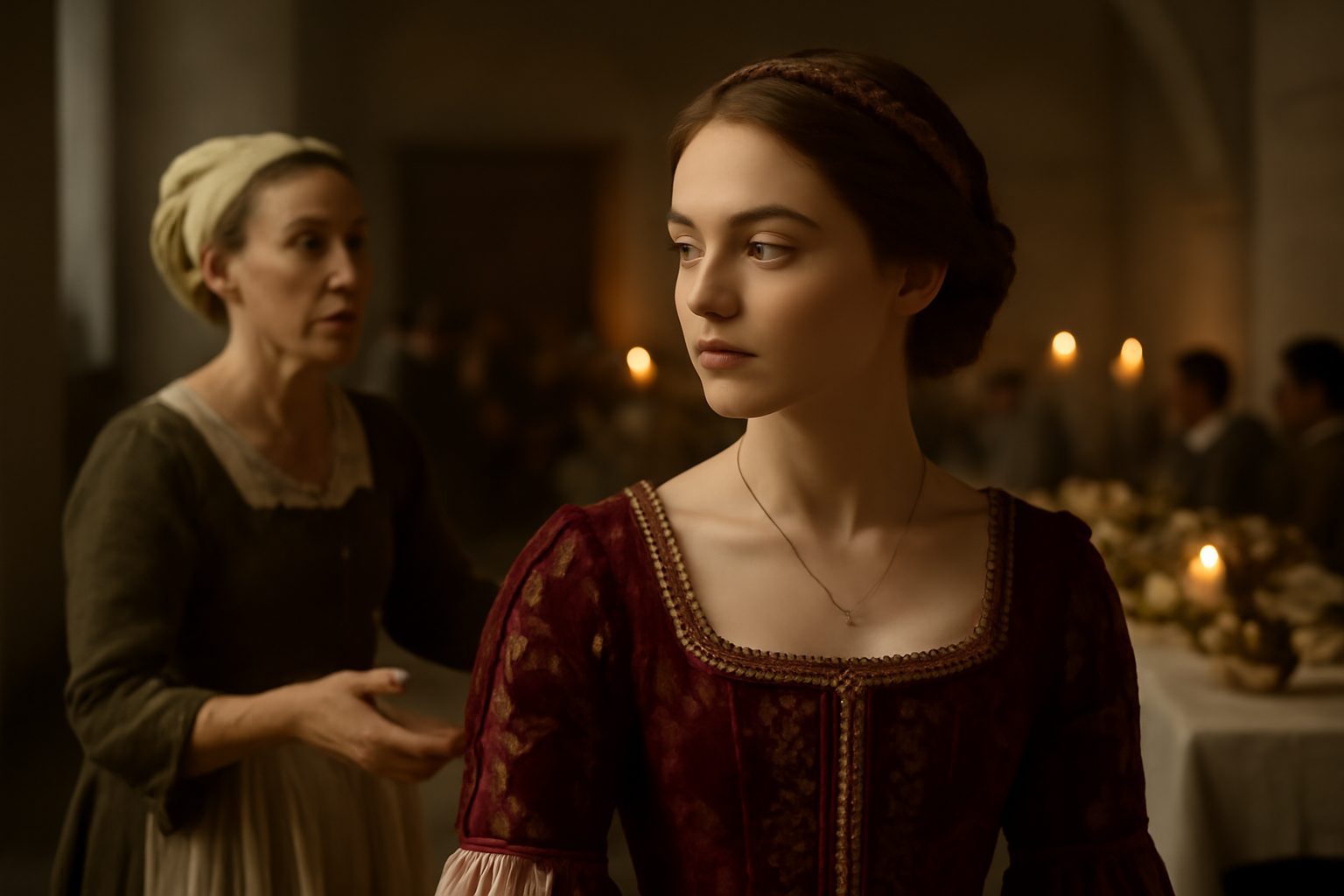
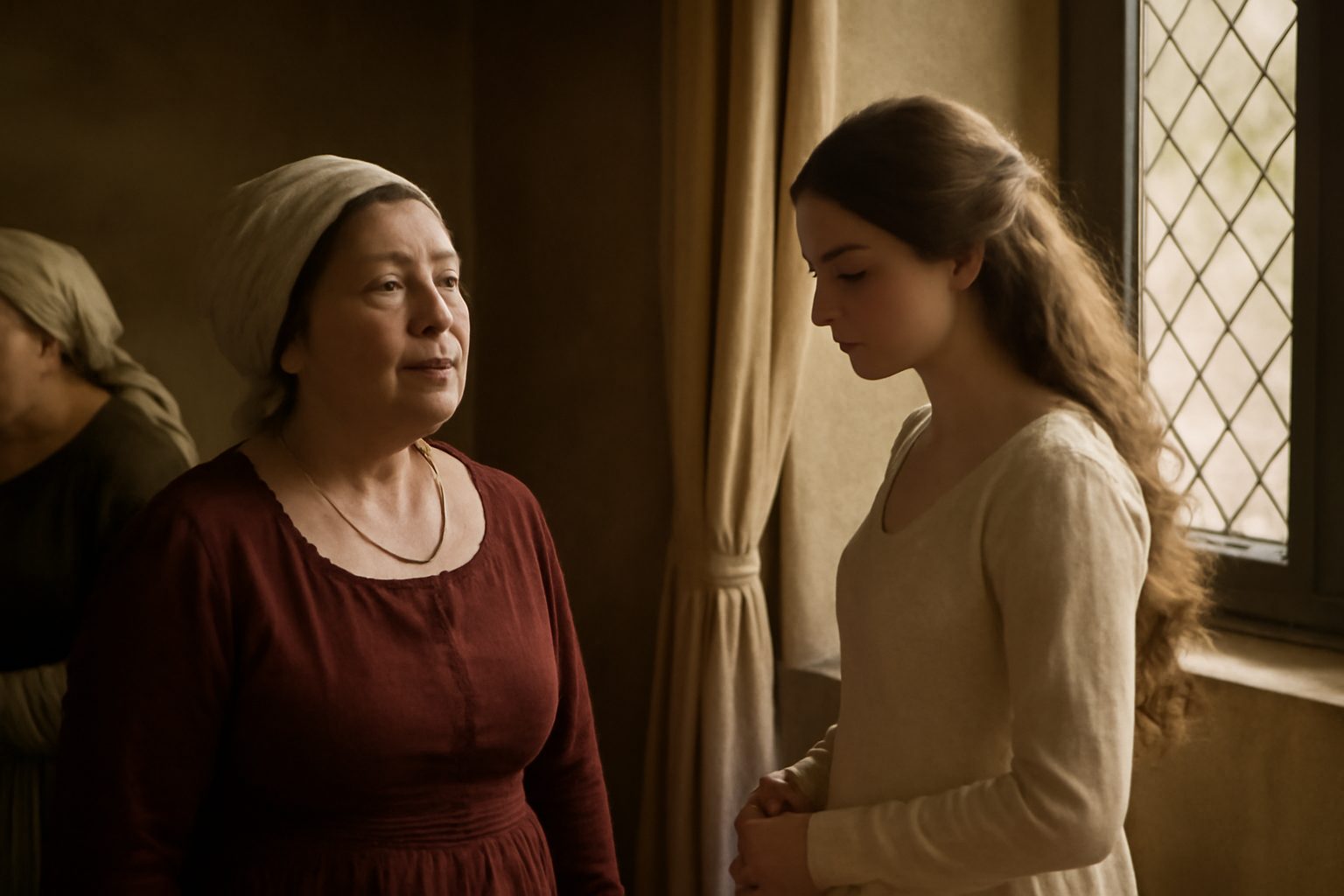
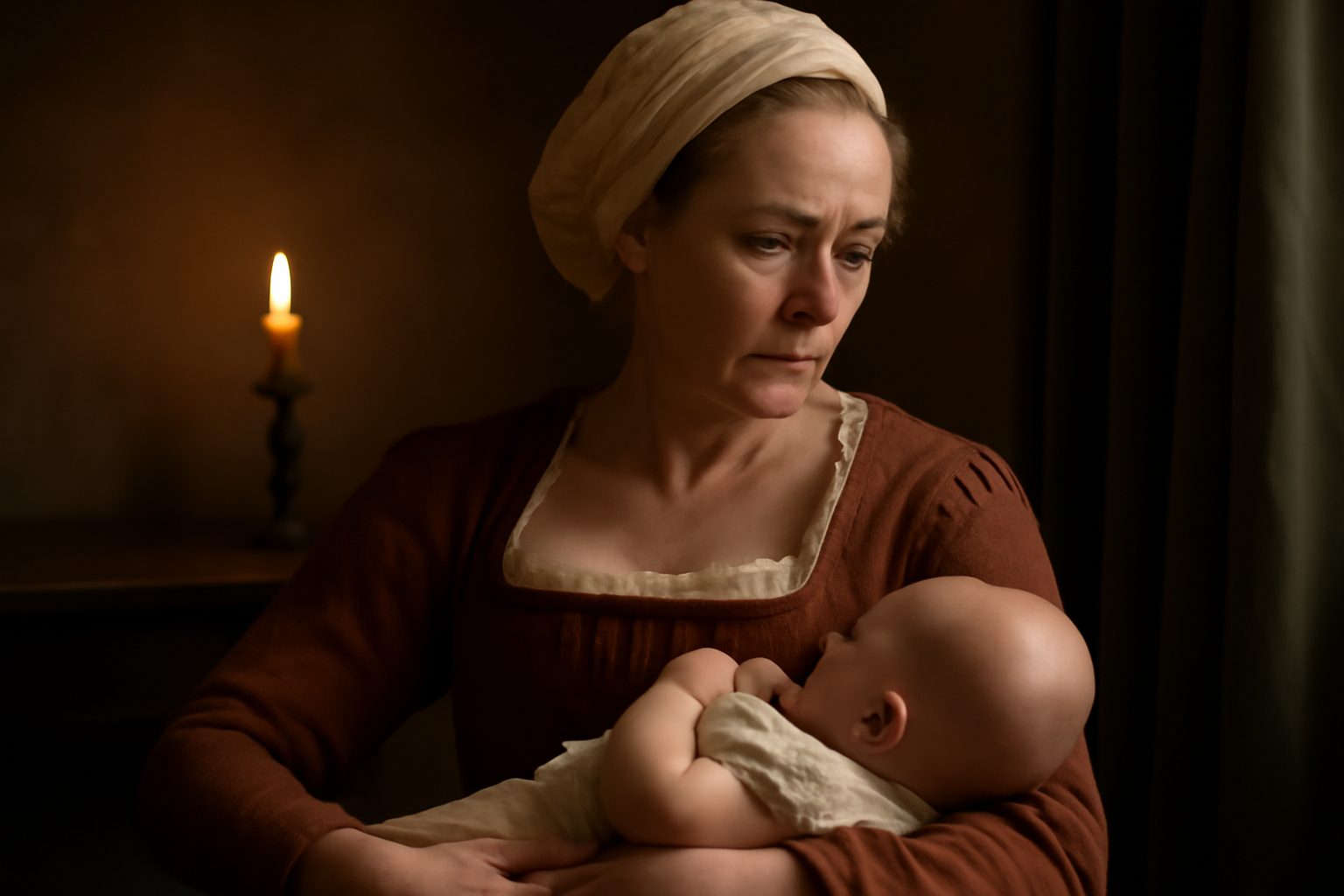
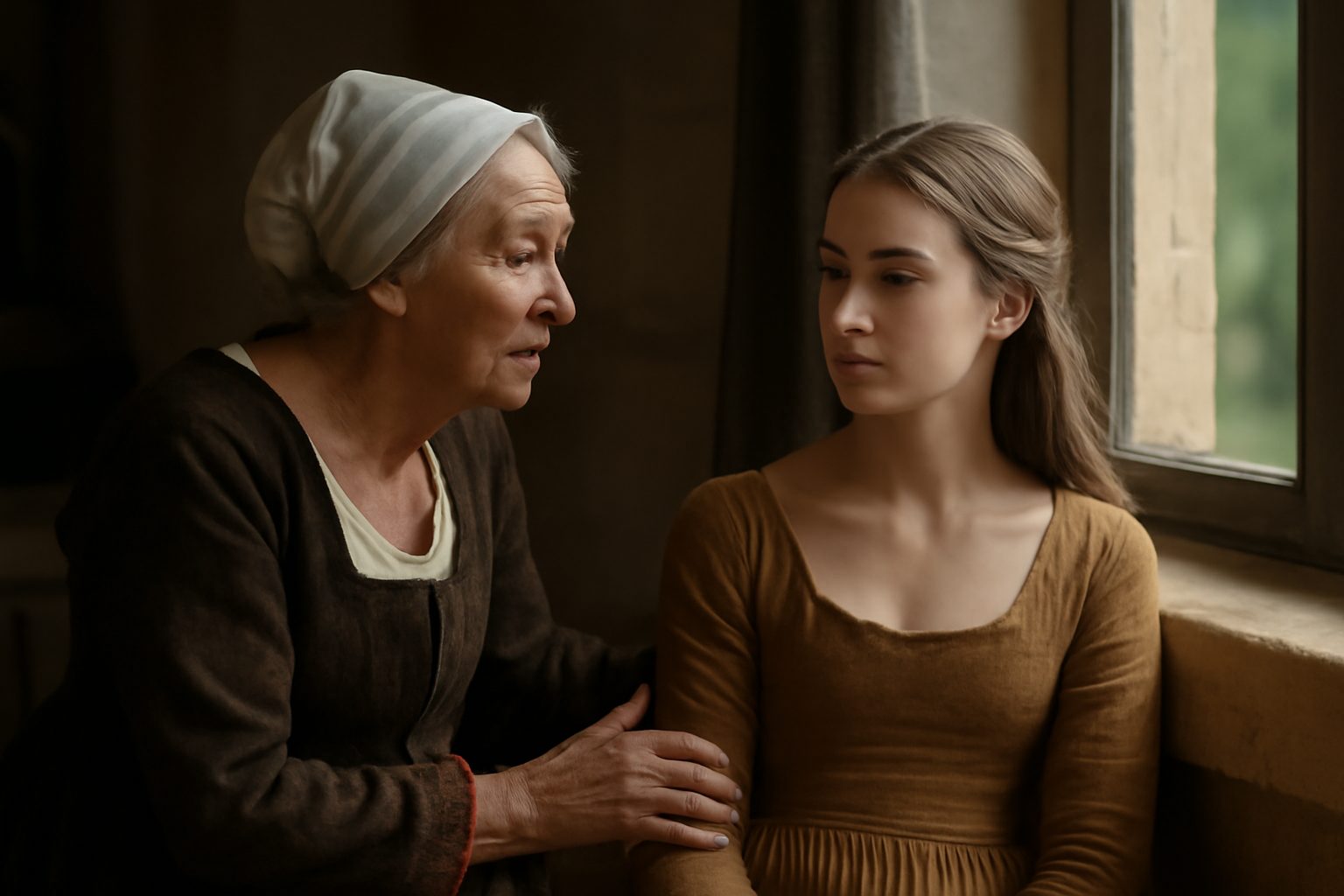
In Act 1, Scene 3 of Romeo and Juliet, Lady Capulet and the Nurse discuss Juliet's impending marriage to Paris. The Nurse fondly recalls a childhood memory of Juliet, showing her affectionate and familiar relationship with the young Capulet. This line highlights the Nurse's warmth and nostalgia, contrasting with Lady Capulet's more formal demeanor.
Nurse: "That shall she, marry; I remember it well."
In modern day english, we would say:
She will indeed get married; I remember that clearly.
Frequently Asked Questions
What does the Nurse mean when she says she remembers something well?
The Nurse is confirming that she clearly remembers a past event or promise related to Juliet.
Connections to other verses:
Connections to "That shall she, marry; I remember it well."
The verse "That shall she, marry; I remember it well." is spoken by the Nurse, recalling a past jest about Juliet's future marriage. It serves as a pivotal moment in the scene, linking to several other verses that explore themes of memory, marriage, and Juliet's youth.
Connection to Juliet's Age and Past Events
The Nurse's certainty about Juliet's marriage ties directly to her detailed recollections of Juliet's infancy and childhood. For instance, she mentions "Come Lammas-eve at night shall she be fourteen," emphasizing Juliet's approaching eligibility for marriage. This is reinforced by "Faith, I can tell her age unto an hour," showcasing the Nurse's precise memory. Her anecdotal style continues with "And she was wean'd,--I never shall forget it,--" and "And since that time it is eleven years," both highlighting her role as a keeper of Juliet's history.
Connection to the Jest About Marriage
The phrase "I remember it well" refers to a specific incident where the Nurse's husband joked about Juliet's future. This connects to "Thou wilt fall backward when thou hast more wit;" and "Thou wilt fall backward when thou comest to age;" which are part of the same playful prophecy. The Nurse's amusement is evident in "To see, now, how a jest shall come about!" underscoring the irony of the jest becoming a reality. Additionally, Juliet's response as a child is recalled in "And, pretty fool, it stinted and said 'Ay.'" and "Wilt thou not, Jule?' it stinted and said 'Ay.'" both illustrating her early, unknowing agreement to the idea of marriage.
Connection to Lady Capulet's Marriage Proposal
The Nurse's recollection sets the stage for Lady Capulet's formal proposal of marriage to Paris. Lady Capulet picks up on this theme with "Marry, that 'marry' is the very theme" and asks Juliet "How stands your disposition to be married?" She further describes Paris in idealized terms, such as "As all the world--why, he's a man of wax." and "Nay, he's a flower; in faith, a very flower." encouraging Juliet to "Read o'er the volume of young Paris' face," framing marriage as an honorable and beneficial step.
Connection to Juliet's Reluctance and Obedience
Despite the Nurse's and Lady Capulet's enthusiasm, Juliet responds with hesitation, stating "It is an honour that I dream not of." However, she agrees to comply with her parents' wishes, saying "I'll look to like, if looking liking move:" and acknowledging that her actions are guided by their consent in "Than your consent gives strength to make it fly." This shows a contrast between the Nurse's nostalgic certainty and Juliet's cautious, obedient approach to the idea of marriage.